


The Jigawa State Government declared Tuesday, 10 November a public holiday across all local government areas to facilitate civic turnout for President Bola Tinubu’s state visit and a party assembly. A governor does not close schools and offices for a guest unless turnout is the point. The language of “civic turnout” is doing heavy lifting here. This is mobilisation, formalised by gazette.
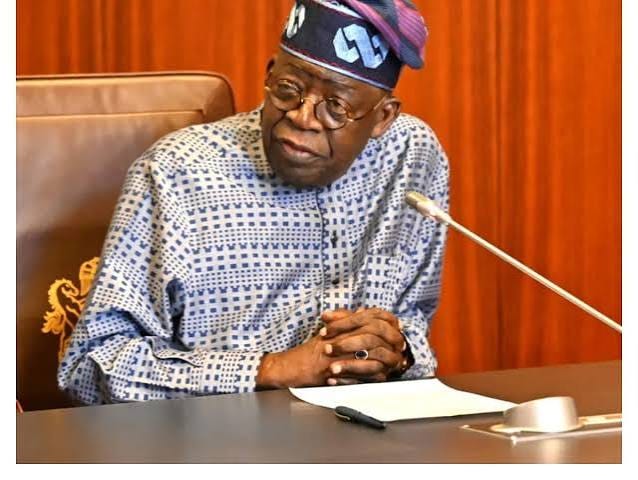
The mechanics are familiar. Presidential visits in Nigeria have long been staged as demonstrations of local support, with local government chairmen tasked to deliver crowds and party stalwarts tasked to deliver the chairmen. What is new is the official holiday, which converts a party event into a state sanctioned obligation. Civil servants cannot opt out without consequence. Market women in Dutse and Hadejia lose a day of foot traffic and income. The party gains a photograph of a filled square, which is the currency of internal politics ahead of 2027.
Jigawa has hosted presidential visits before, but the formal holiday is the tell. It also carries a cost the state can ill afford. Jigawa sits among the states with the highest multidimensional poverty rates in the country, and a lost trading day for petty traders is a lost meal for a family. The state government did not publish any estimate of the economic cost of the closure. It rarely does.
There is a political logic, of course. Jigawa is part of the North West bloc whose turnout arithmetic matters in presidential contests, and visible loyalty to the president can translate into federal appointments and project approvals. The trade off is explicit: a day of local economic activity exchanged for national political goodwill. Whether the goodwill reaches the traders who paid for it is another matter.
Winners: Party chieftains, who get a mobilisation showcase. State officials seeking federal favour. The presidency, which gets its crowd.
Losers: Civil servants, who lose a working day. Market traders and transport operators, who lose income. Local government areas, which bear mobilisation costs for a party event.
Bottom Line: A public holiday for a party assembly tells Jigawa residents exactly what their state government thinks a working day is worth.