


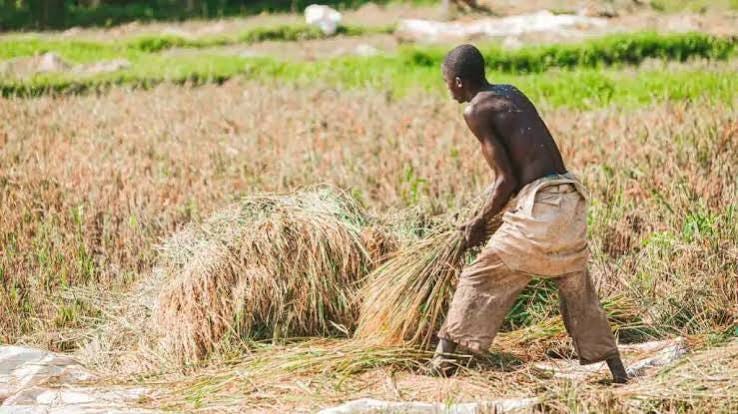
The Japanese Government finalised a $3.5 million grant agreement with Nigeria to support the national rice production strategy. The funding will focus on expanding high-yield seed variety research, processing technologies, and smallholder farmer training to boost food self-sufficiency.
The grant is a significant boost to Nigeria’s rice production strategy. The country has been working to reduce its dependence on imported rice, and the funding will help to develop the sector. The focus on high-yield seed varieties and processing technologies is particularly important, as these are key to increasing productivity and reducing post-harvest losses.
This echoes the 2010s rice production investments in Nigeria, which also sought to boost self-sufficiency. The mechanism then was different, but the result was the same: a focus on reducing import dependence.
The winners: Nigerian rice farmers, who will benefit from the training and technology; and the Nigerian economy, which gains from increased food production. The losers: rice importers, who face reduced demand; and the Nigerian government, which must ensure the grant is used effectively.
Bottom Line: Japan has given $3.5 million to boost Nigeria’s rice production. The goal is food self-sufficiency. The question is whether the grant will deliver results or be wasted.