


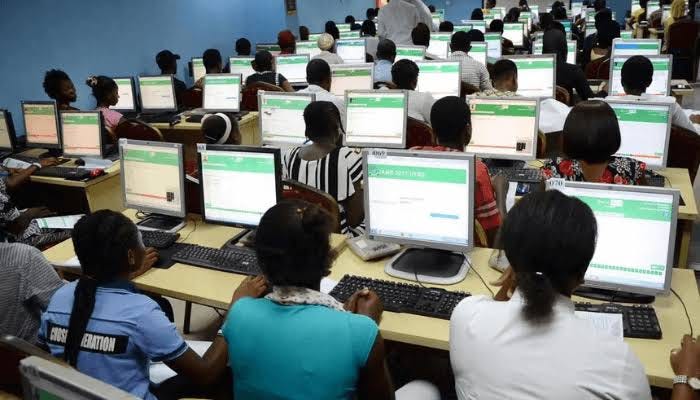
The Joint Admissions and Matriculation Board (JAMB) has launched a biometric update process. The process is available at designated Computer-Based Test (CBT) centres. It targets candidates who have lost their registered SIMs or email addresses. The update allows them to regain access to the JAMB portal. The exercise addresses a recurring problem. Many candidates lose access to their profiles because they cannot receive verification codes.
JAMB has used biometric verification since 2013. The system captures fingerprints and photographs. It prevents impersonation and reduces exam malpractice. But it creates new problems. Candidates who change phone numbers or lose SIMs cannot access their profiles. In 2024, thousands of candidates were locked out. They could not print admission letters or accept offers. The board introduced manual verification. It was slow and cumbersome. The biometric update is a digital solution.
The update process requires candidates to visit designated CBT centres. They must present valid identification. Their biometrics are captured and matched to existing records. Once verified, they can update their contact details. The process is free. It is also time-sensitive. The 2027 UTME registration will begin soon. Candidates need portal access before then.
The update solves a real problem. SIM loss is common in Nigeria. Mobile numbers change. Email accounts are abandoned. The portal becomes inaccessible. JAMB’s admission process is centralised. Without portal access, candidates cannot participate. The update restores access without requiring manual intervention.
The implementation faces challenges. Not all candidates live near CBT centres. Some centres lack reliable power. The process requires internet connectivity. JAMB has not disclosed how many centres are involved. It has not said how long the exercise will last. Candidates are advised to visit early. Queues are expected.
The broader issue is identity management. Nigeria’s fragmented identity systems create friction. JAMB uses biometrics. NIMC uses NIN. Banks use BVN. These systems do not always talk to each other. A candidate with a NIN still needs JAMB biometrics. The duplication adds cost and time.
Winners: Candidates who regain portal access. JAMB, which reduces complaints. CBT centres, which earn fees. The admissions process, which becomes smoother. Losers: Candidates far from centres. Those without valid identification. JAMB, if the process is slow. Taxpayers, if the exercise is underfunded. Candidates who miss the window.
Bottom Line: JAMB is fixing a problem it created. Biometric verification is necessary. It also creates lockouts. The update restores access. Candidates should use it. The board should integrate with NIMC. Duplication wastes time. One identity system would serve everyone.