


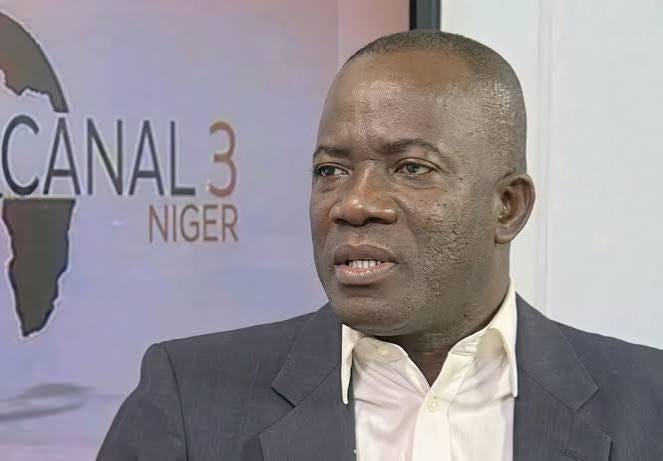
Serge Mathurin Adou, an Ivorian journalist, was released on 11 November after two years in detention in Niger. Adou was born in Côte d’Ivoire and had lived in Niger for about 20 years. He worked for Canal 3 Niger. He disappeared in Niamey on 1 September 2024 after telling his wife he had to answer a police summons. Burkina Faso’s security minister, Mahamadou Sana, later accused him of involvement in a plot against Burkina Faso. The reports reviewed did not say whether he was charged or why he was freed.
The mechanics matter. A journalist disappears after answering a summons. A neighbouring government accuses him of plotting. Two years pass. He is released without explanation. That sequence describes a system where detention does not require charges and release does not require exoneration. Adou is free. His case is not resolved.
This mirrors the 2019 detention of journalists in Benin and the 2021 cases in Mali, where reporters were held on security grounds without trial. It also echoes the 2016 closure of media houses in Nigeria’s north-east during counter-insurgency operations. The pattern is regional. Security agencies treat journalism as a security risk when it covers their operations.
Separately, experts meeting in Abidjan on 12 November backed combining low-Earth-orbit satellites with mobile networks to connect remote villages. The aim is to reduce infrastructure costs and speed digital inclusion in rural areas. That proposal is sound. Satellites can reach villages that fibre cannot. The question is who pays and who regulates the market.
The winners are Adou, who regains his freedom; press freedom groups, which gain a release to celebrate; and satellite operators, who gain policy attention. The losers are Adou’s family, who lost two years with him; other journalists still detained without charge; and the rule of law, which remains unexplained.
Winners: Serge Mathurin Adou; press freedom groups; satellite operators. Losers: Adou’s family; journalists still detained; the rule of law.
Bottom Line: A release without an explanation is not justice. Niger should say what Adou was held for, and West African governments should stop treating reporters as security threats.