


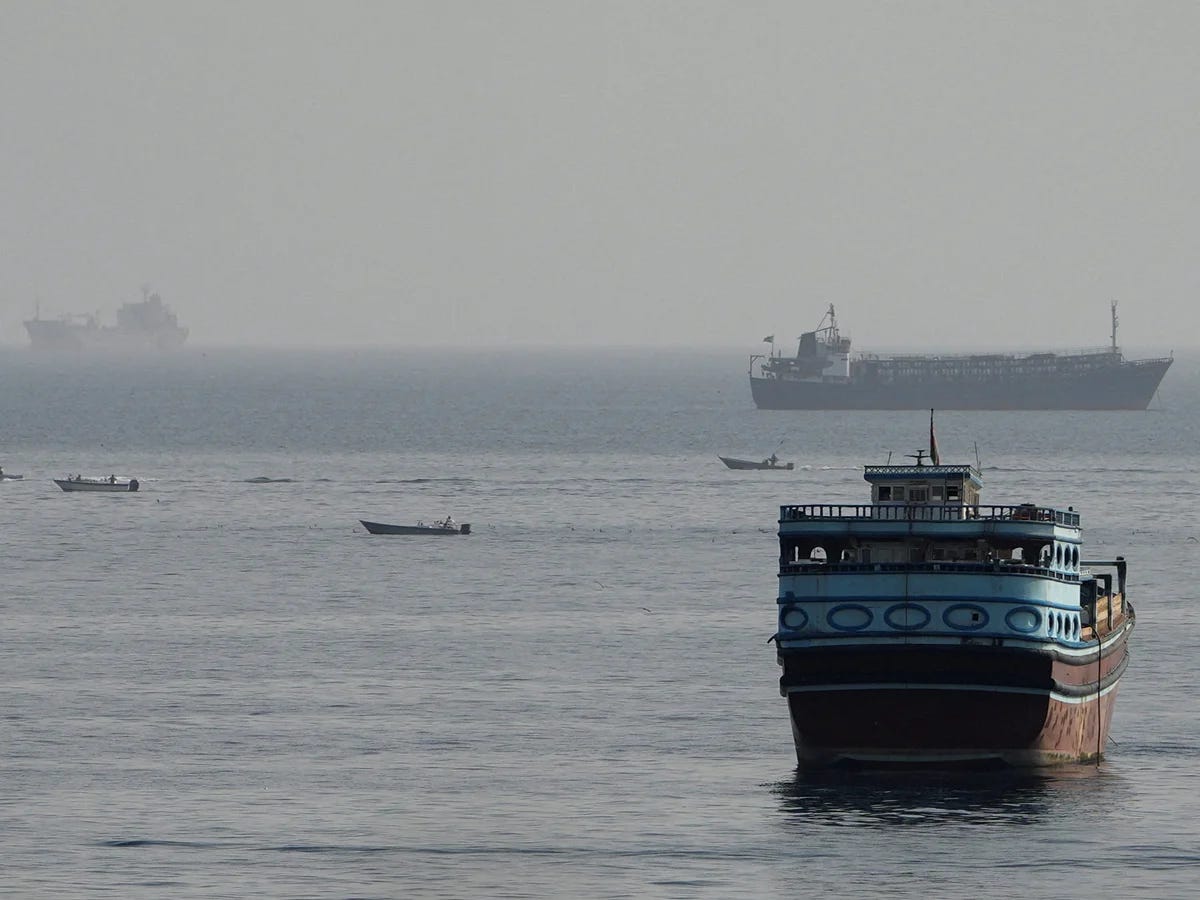
Hundreds of vessels remain stranded in the Strait of Hormuz as Iran and Oman move closer to an agreement that could ease strain on the global economy. Two regional officials reported that Iranian and Omani negotiators finalised a draft deal to reopen the Strait and are now awaiting final approval from Iran’s supreme leader.
The potential deal would lay the groundwork for Washington and Tehran to resume negotiations on Iran’s nuclear programme. According to U.S. President Donald Trump, an agreement to reopen the crucial oil shipping lane could come this week.
Closure of the Strait, through which about 20 percent of the world’s oil and natural gas passed before the conflict, has driven up fuel and basic goods prices far beyond the Middle East. Trump is under growing pressure to end an unpopular conflict ahead of U.S. midterm congressional elections in November.
For Nigeria, the stakes are direct. Higher oil prices boost government revenue, but they also raise the cost of imported fuel, feeding inflation and squeezing household budgets. Every day the Strait remains closed, Nigerian consumers feel the pinch at the pump.
This echoes the 2019 Strait of Hormuz crisis, when tanker attacks also pushed oil prices higher and exposed Nigeria’s vulnerability to global supply shocks. The mechanism then was different, but the result was the same: a country caught between higher revenue and higher costs.
The winners: oil-exporting nations, including Nigeria, which earn more from crude sales in the short term. The losers: Nigerian consumers, who pay more for fuel, transport and food; and the Nigerian economy, which suffers from higher inflation and reduced purchasing power.
Bottom Line: Hundreds of ships are stuck in the Strait as negotiators work on a deal. A reopening could bring relief to global markets. Nigeria is watching and waiting.