


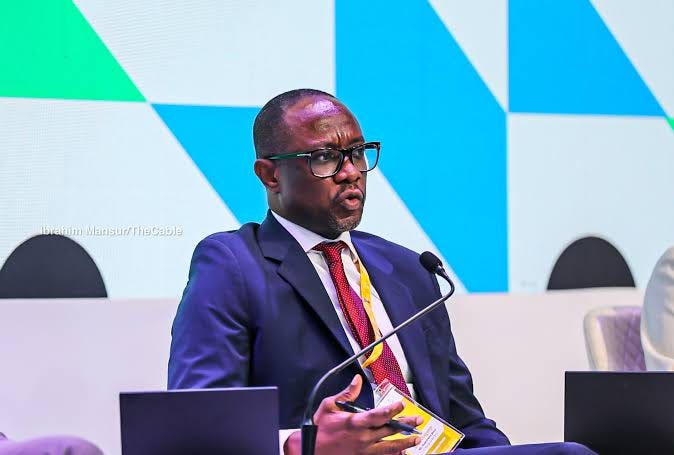
J.P. Morgan has cited Nigeria’s economic reforms as the reason for deepening its presence. The bank’s Managing Director for West Africa, Dapo Olagunju, spoke on Tuesday at the 32nd Nigerian Economic Summit in Abuja. He said reforms over the past three to four years shaped the investment environment. The bank is establishing a merchant bank in the country. “We are backing our assessment with concrete investment,” he said.
Nigeria’s investment climate has improved since 2023. The petrol subsidy was removed. The naira was floated. Foreign exchange backlogs were cleared. Fitch revised the country’s outlook to positive in October 2026. J.P. Morgan and FTSE restored Nigeria to their indices. But investors have long complained that policies change with administrations. The Petroleum Industry Act 2021 was meant to end that uncertainty in oil. It has taken years to implement.
Chevron’s Chairman and Managing Director for Nigeria and Mid-Africa, Jim Swartz, said the environment improved after the PIA and presidential directives. The company is drilling in shallow-water assets. It is preparing additional wells at Agbami. But he asked for more. “Our investments are not only for the near term, but multi-decade investments,” he said. “Knowing that you will have long-term support in the laws is very important.”
Swartz cited security in oil-producing communities and competitive operating costs as critical. He said improved security in the Niger Delta has reduced losses from oil theft. He said local contractors must stay globally competitive. Chevron has spent about $1 billion annually on local contractors over five years.
The Chairman of the Association of Licensed Telecommunications Operators of Nigeria, Gbenga Adebayo, called for more investment in digital infrastructure. Demand for data is rising. Road construction damages fibre-optic cables. Operators need to expand capacity and replace ageing equipment. He called for consistent policies and stronger infrastructure protection.
Senator Afolabi Salisu, who chairs the Senate Committee on ICT and Cybersecurity, said the National Digital Economy and E-Government Bill had reached third reading. He expects it to pass this year. He also cited the 90,000-kilometre fibre network plan.
Winners: J.P. Morgan, which gains market access. Chevron, which gains certainty if laws hold. Telecom operators, if infrastructure is protected. The government, which gains investment signals. Losers: Investors who need laws that haven't passed yet. Contractors who cannot compete. Rural areas without connectivity. The economy, if policy reversals return.
Bottom Line: The reforms are real. The investments are following. But businesses want laws, not promises. Policies change. Statutes last longer. The summit’s message was clear. Nigeria must legislate its reforms or risk losing what it has gained.