


Nigeria’s foreign exchange market recorded $931.23 million in interbank transactions on Monday, November 23, its highest daily turnover in a month, as activity in the official market continued to rise.
Data published by the Central Bank of Nigeria (CBN) showed that 223 transactions were completed during the trading session.
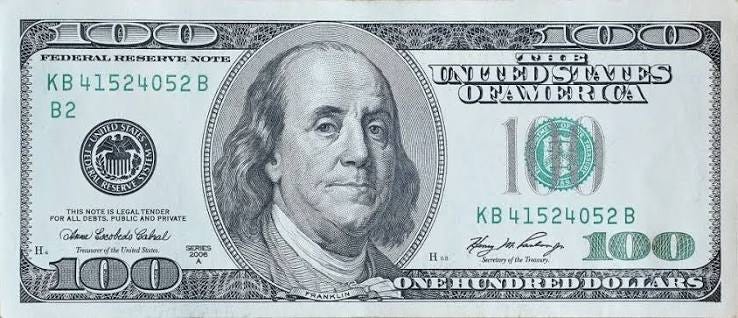
The figure represents a 14.2% increase from the $815.57 million recorded on Friday, November 20. It is also the highest daily turnover since October 23, when transactions reached approximately $1.01 billion.
The latest increase pushed cumulative interbank foreign exchange turnover for November to $5.7 billion as of November 23, exceeding the $5.25 billion recorded throughout October.
Average daily turnover also increased to $356.33 million in November, compared with $250.12 million in October.
The figures suggest that more dollars are changing hands through the official market. However, increased transactions do not automatically mean that dollar supply has improved or that the naira is becoming stronger.
NAIRA REMAINS UNDER PRESSURE
Despite the increase in trading activity, the naira remains weaker than it was at the beginning of November.
The CBN’s Nigerian Foreign Exchange Market (NFEM) weighted average rate stood at ₦1,394.01 per dollar on Monday, compared with ₦1,347.94 on November 2.
The currency closed at ₦1,393 per dollar, while the market recorded an intraday high of ₦1,403 and a low of ₦1,390.20.
This means the naira has lost ground against the dollar even as interbank transactions have increased.
The latest trading figures also followed a steady rise in daily turnover over five consecutive sessions.
Interbank transactions increased from $68.66 million on November 16 to $362.55 million on November 17. Turnover subsequently rose to $502.88 million on November 18, $800.31 million on November 19 and $815.57 million on November 20.
Monday’s $931.23 million figure extended that upward movement.
WHAT HIGHER TURNOVER MEANS
Foreign exchange turnover measures the value of transactions completed within a market over a given period. It does not, by itself, measure the amount of new dollars entering the economy.
Higher turnover can reflect increased dollar supply, stronger demand or more frequent trading among market participants.
That distinction matters because Nigeria has struggled to maintain exchange rate stability despite several interventions by the CBN.
Recent market analysis has pointed to foreign portfolio investor demand, weaker foreign exchange inflows and uncertainty surrounding the 2027 general election as factors influencing the market.
The naira also depreciated by 2.5% during the week ended November 20, closing at ₦1,394 per dollar, despite reported CBN intervention of $1.3 billion.
Nigeria’s external reserves have also come under pressure. Gross reserves declined to approximately $54.65 billion as of November 19, according to recent market data.
The CBN’s Monetary Policy Committee is meeting on November 23 and 24, with exchange rate stability, inflation and foreign exchange liquidity among the major issues confronting monetary policymakers.
For importers, manufacturers and businesses with foreign currency obligations, the direction of the naira remains more important than the volume of transactions recorded. Increased turnover could improve market access, but businesses still need predictable exchange rates to plan their operations.
The potential winners are businesses and investors who benefit from a more active and accessible official foreign exchange market. However, import-dependent companies and ordinary Nigerians remain exposed to higher costs if increased trading activity fails to translate into a stronger naira.
Bottom Line: Nigeria’s foreign exchange market is recording more transactions, but the naira is yet to benefit meaningfully. The real measure of progress will be whether increased turnover translates into sustainable dollar supply, exchange rate stability and lower costs for businesses and consumers.