


Musa Saidu, 20, felt a sharp pain in his stomach. The pain was followed by fever, vomiting and watery stools. His condition deteriorated within hours. This was August 2025. He was living in Bukkuyum Local Government Area of Zamfara State. His family had fled Dan Bago village after bandit attacks. They were displaced. Then cholera struck.
Zamfara is one of the states hardest hit by banditry in Nigeria’s northwest. What began as cattle rustling has evolved into organised violence. Communities are attacked. Residents are killed or abducted. Thousands are displaced. The Mass Atrocities Tracker recorded 28,974 deaths across Nigeria between 2021 and 2025. Borno recorded 4,539. Zamfara recorded 3,936. Kaduna recorded 2,811. Zamfara also recorded the highest number of abductions: 5,447. Kaduna recorded 4,050. Niger recorded 3,331.
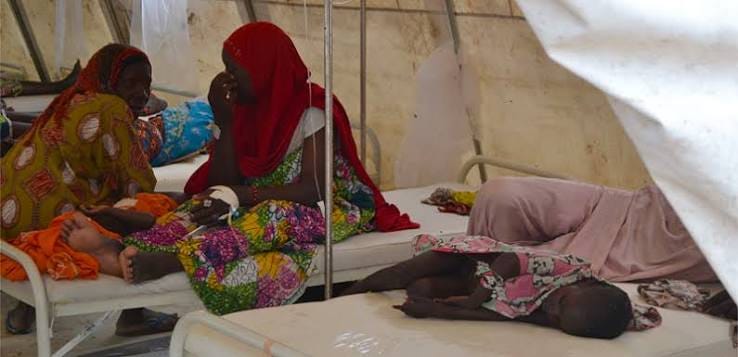
Insecurity has weakened access to healthcare. Health workers have fled unsafe areas. Health facilities have closed. Safe water and disease surveillance systems have collapsed. These are the conditions that allow cholera to spread. Cholera kills within hours if severe dehydration is not treated. In Bukkuyum, the Orphan and Less Privileged Clinic received an influx of cholera patients. Only three health workers were on duty. Essential medicines were unavailable. Residents had to seek treatment elsewhere. Shortages of staff, medicines and space forced many to go without care.
The pattern is not unique to Bukkuyum. Across Zamfara, displaced communities live in crowded conditions. Water sources are contaminated. Sanitation is poor. Health services are overstretched. Each outbreak follows the same path. It begins with a case. It spreads through contaminated water. It kills the vulnerable. Then it subsides. Then it returns.
Winners: No winners. Bandits profit from chaos. Relief agencies may gain funding. Losers: Musa Saidu, who suffered. Displaced families, who lost homes and stability. Health workers, who face impossible conditions. Communities in Bukkuyum, who lack access to care. Children, who are most vulnerable to cholera. The state, whose authority has collapsed in rural areas.
Bottom Line: Insecurity breeds disease. Displacement weakens health systems. Cholera thrives in the gaps. Zamfara’s crisis is not just violence. It is a health emergency. Until security is restored and health services rebuilt, outbreaks will recur. The state cannot secure its people. It cannot keep them healthy either.