


The Independent National Electoral Commission (INEC) has confirmed that Nigeria’s consolidated voter database has reached 103 million registered citizens. The figure follows ongoing data cleanup and regional continuous voter registration reviews. INEC disclosed the number in a statement on Sunday. The database is the largest in Africa.
Nigeria’s voter register has grown steadily since 1999. In 2011, it held about 73 million names. In 2015, it reached 68 million after a cleanup removed duplicates. In 2019, it rose to 84 million. In 2023, it stood at 93 million. The register has been criticised for containing ineligible names. INEC has conducted multiple verification exercises. The Automated Biometric Identification System removes duplicates. The integration of the National Identification Number strengthens verification. The current figure reflects those efforts.
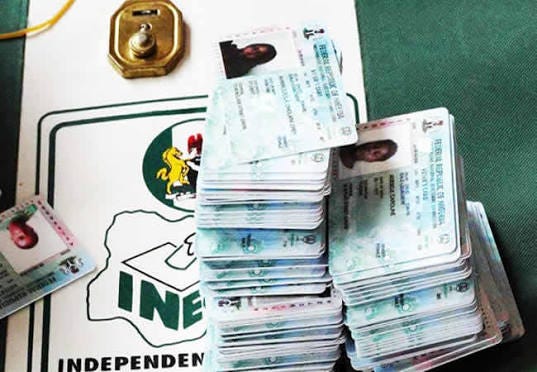
INEC said the database grew after Phase Three of the Continuous Voter Registration. That phase ended in September. New registrants added millions of names. The commission also removed ineligible entries. The cleanup continues. INEC said the register will be certified before the 2027 general election.
The figure is significant. It represents about 45% of Nigeria’s population. It is also the largest voter database on the continent. The 2027 election will test INEC’s ability to manage it. In 2023, result transmission failed in many polling units. The commission has since upgraded systems. It introduced the Bimodal Voter Accreditation System. It integrated the NIN. It pledged transparency.
The political implications are clear. A larger register means more voters. It also means more logistics. INEC needs more polling units, more staff and more materials. It plans to deploy over 1.4 million ad hoc personnel in 2027. The commission’s budget will face scrutiny. Political parties will examine the register for anomalies. Litigation may follow.
Winners: INEC, which shows progress. New registrants, who gain voting rights. Political parties, which gain a larger pool. Democracy, if participation rises. Losers: Ineligible registrants, who are removed. Those without NIN, who face exclusion. INEC, if the register is challenged. Taxpayers, if verification costs rise.
Bottom Line: INEC’s database reached 103 million. It is Africa’s largest. The cleanup continues. The 2027 election will test it. Accuracy matters more than size.