


The Independent National Electoral Commission has removed 1,609,553 records from the voter register. The chairman, Joash Amupitan, said the clean-up found 1,608,660 invalid registrations and 873 records of deceased persons. The commission reviewed 11.09 million registrations from the 2025/2026 Continuous Voter Registration exercise using its Automated Biometric Identification System.
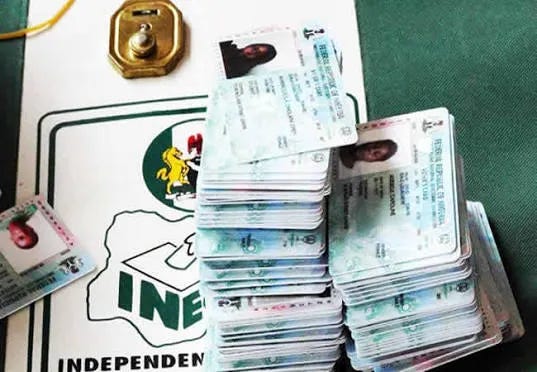
Do the arithmetic. About one in seven of the registrations reviewed has been struck out. That is not a rounding error or a handful of duplicates. It is a structural failure that ran from capture to audit. The 873 deceased voters are the smallest part of the problem and the easiest to explain. The other 1.6 million are harder.
Amupitan named the cause in part. Fifty-four registration officials across 10 states face disciplinary action, including possible prosecution, for circumventing registration procedures. The commission says the clean-up is finished and that extra biometric safeguards will prevent a repeat. That is a promise about the future, made while the evidence of the past is still being counted.
The artificial intelligence angle sharpens the picture. Suspicious entries included duplicate records, deceased voters and generated photographs. An image that never belonged to a living person can now pass a manual check. The commission responded by approving a governance framework and replacing web cameras with an application camera. Both moves are sensible. Both arrived after the damage.
The Southern and Middle Belt Leaders Forum demanded an independent forensic audit on the same day. The Forum, which includes Afenifere, the Middle Belt Forum, Ohanaeze Ndigbo Worldwide and the Pan Niger Delta Forum, gave no counts of affected records. The commission had not responded by publication. A demand without numbers is easy to dismiss. A commission that has not answered is easy to doubt.
The calendar is the real test. The cleaned register will be published on 16 December 2026. Presidential and National Assembly elections are set for 16 January 2027. That gives a voter whose name has vanished about four weeks to find out, travel to a previous registration location and complain. For a trader in Onitsha or a farmer in Wukari, four weeks is not a remedy. It is a window.
The precedent is 2019, when the commission suspended registration in stages and voters arrived at polling units to find their names missing. The 2023 cycle ran smoother, partly because the biometric verification system caught what manual checks missed. Each cycle improves the technology and leaves the complaints mechanism roughly where it was. Technology finds the fraud. It does not restore the vote.
Winners: The commission, which can now point to a cleaned register. The 54 officers’ supervisors, who escape public blame. Whoever benefits when 1.6 million names come off a roll before a close election. Losers: The genuine registrants caught in the purge, who have four weeks to prove they exist. The Forum, which demanded an audit without evidence. Public confidence in a register published one month before a presidential vote.
Bottom Line: A register cleaned four weeks before a presidential election is a remedy built to fail. Publish the corrections process now, not the register in December.