

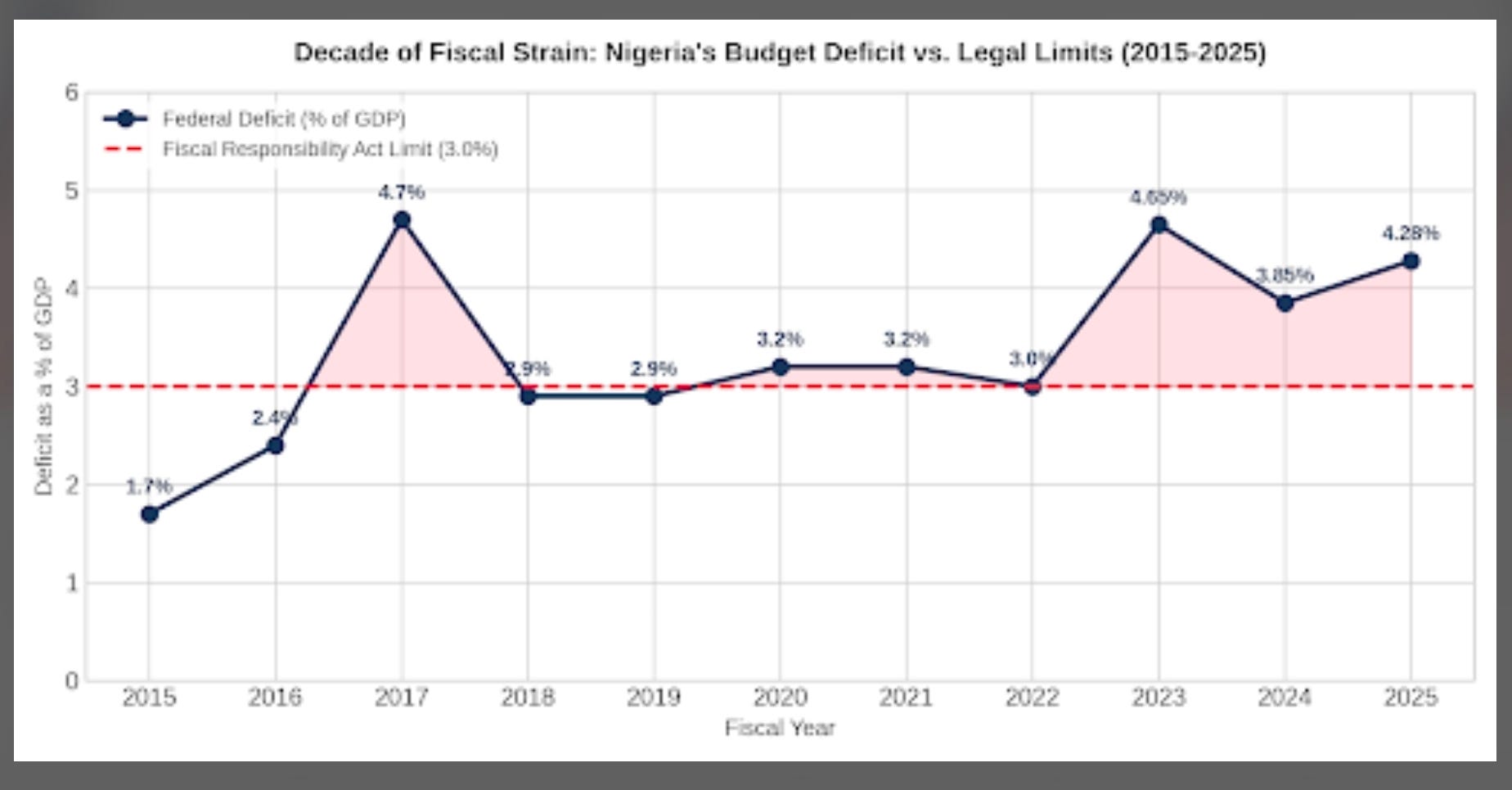
Nigeria’s budget is not as transparent as it appears. The International Monetary Fund has reported that the country failed to record public spending equivalent to approximately 2% of its gross domestic product in recent official budgets. The oversight has created a significant discrepancy between the nation’s reported fiscal deficit and its actual financing requirements.
Christian Ebeke, the IMF’s resident representative in Nigeria, addressed the findings during a meeting with business executives in Lagos on Wednesday. He explained that certain capital expenditures were excluded from both budget documents and implementation reports, making the government’s fiscal deficit appear smaller than its true borrowing needs.
The unreported expenditure stems partly from large-scale government projects executed off-budget. The practice complicates the ability of observers to accurately assess the country’s fiscal position and public investment levels. “So far, we think there is about 2% of GDP of expenditure that was not reported, which should be recorded so that this statistical discrepancy will disappear,” Ebeke said.
He added that incomplete fiscal reporting hinders coordination between fiscal and monetary authorities, as policymakers lack a comprehensive view of the government’s true financing requirements.
This is not the first time Nigeria’s off-budget spending has drawn international scrutiny. The IMF’s 2025 Article IV consultation estimated a fiscal “statistical discrepancy” of 2.7% of GDP and raised concerns about opaque financial arrangements and weak fiscal reporting. The pattern is consistent: large capital projects are executed outside the formal budget, distorting assessments and undermining accountability.
According to Ebeke, Nigerian authorities have begun addressing the issue by repealing and revising recent budget laws to incorporate previously unrecorded expenditure. However, he stressed that updated budget implementation reports are still necessary to fully reflect the changes.
The IMF official emphasised that improving fiscal transparency is essential, warning that off-budget spending raises significant concerns regarding procurement processes, accountability and oversight.
The revelation comes as Nigeria prepares for the 2027 elections, with rising poverty and food insecurity likely to increase pressure on the government for higher public spending. The IMF has warned that the reform momentum could slow as elections approach.
This mirrors the 2014 oil price crash era, when the government also relied on off-budget financing through the Excess Crude Account and various special purpose vehicles. The mechanism then was different, oil-backed loans and fiscal buffers, but the result was the same: a fiscal position that looked healthier than it was.
The winners: government officials who have used off-budget spending to bypass scrutiny. The losers: Nigerian taxpayers, who have no idea where 2% of GDP went, and the country’s credibility with international investors, who expect transparent accounts.
Bottom Line: Nigeria’s deficit is larger than it admits. Two percent of GDP is not a rounding error. It is a hole in the budget.