


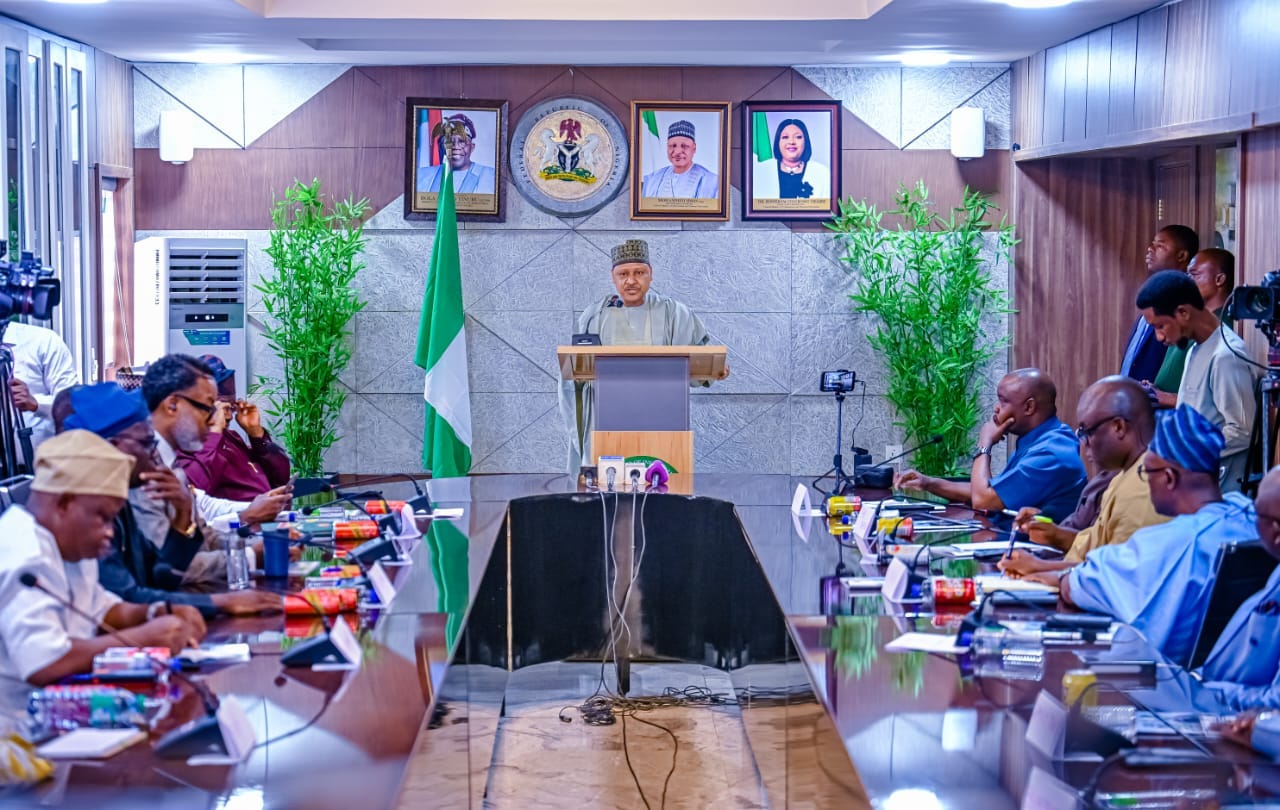
The Minister of Information and National Orientation, Mohammed Idris, has defended rising fuel prices. He described escalating energy costs as a global challenge. He spoke during a media chat with senior editors and journalists in Abuja on Monday.
Historical background: Petrol prices have risen sharply since the petrol subsidy was removed in May 2023. Pump prices reached ₦1,450 to ₦2,000 per litre in many states, and up to ₦2,500 in remote areas. The government has faced pressure to cushion the impact. The Nigeria Labour Congress demanded a reduction to ₦500 per litre. The government ruled out a full return to subsidy. It announced a 30-day discount window through NNPC.
Current event: Idris said rising energy costs are a global challenge. “Governments across the world are adopting different approaches to protect their economies and cushion the impact on citizens,” he said. He said the Federal Government remained mindful of the pressures on households and businesses. He said President Bola Tinubu remains committed to the economic reforms. The government is consolidating reform gains. It is expanding affordable energy alternatives. It is strengthening domestic production. It is creating conditions for sustainable reductions in living costs.
Idris listed the administration’s eight priority areas. They include economic reforms, national security, agriculture, energy, infrastructure, education, healthcare, industrialisation, digitisation and governance. “These are not isolated achievements. They represent a deliberate and interconnected programme of national transformation,” he said.
On security, he said the government would neither relent nor retreat. He said investments in personnel, technology and intelligence aim to achieve lasting security. On federalism, he said Tinubu has championed true federalism. He cited increased fiscal transfers, local government autonomy, state police proposals and electricity reforms.
Winners: The Federal Government, which defends its policies. NNPC, which gains from the discount window. States, which gain fiscal autonomy. Losers: Households, who face high fuel costs. Transport operators, whose margins shrink. Small businesses, which absorb energy costs. The poor, who spend the largest share of income on fuel. Critics who see the defence as dismissive.
Bottom Line: The minister says fuel prices are a global challenge. Nigerians know they are a local burden. The government is expanding alternatives. That takes time. Fuel prices remain high. The 30-day discount ends in November. The pain will continue.