


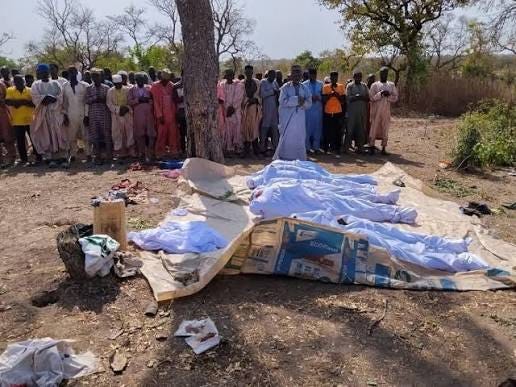
Vigilante groups in Niger State have launched raids on Fulani herding communities, with local and humanitarian sources alleging that hundreds of people have been killed in recent weeks. The attacks, mainly in Agwara district, have been carried out by vigilantes from the Kambari and Bargawa ethnic groups, who accuse Fulani herders of supporting the Lakurawa jihadist group blamed for recent kidnappings and attacks in the area.
A UN source monitoring the situation told the AFP that about 700 Fulani herders may have been killed, although the figure could not be independently verified. A local Fulani chief estimated that about 1,000 people had died over the past two months. The violence has reportedly forced many Fulani families to flee to neighbouring Kebbi State, raising fears of retaliatory attacks and further escalation of ethnic tensions.
The attacks in Niger State are a grim escalation of the cycle of violence that has plagued Nigeria’s Middle Belt. The accusation that Fulani herders are supporting jihadist groups has been a recurring theme, but the vigilante response has now resulted in mass killings. The displacement of Fulani families to Kebbi State raises the risk of retaliatory attacks and further ethnic conflict. The government must act to prevent the violence from spiralling out of control.
This echoes the 2018 violence in Benue State, which also saw communities attacked and residents displaced. The mechanism then was different, but the result was the same: a cycle of violence that the state struggles to break.
The winners: none. The losers: the hundreds of Fulani herders who have been killed; the families who have been displaced; and the Nigerian state, which has failed to prevent the violence.
Bottom Line: Hundreds of Fulani herders have been killed in vigilante attacks in Niger State. The government must act to prevent retaliatory violence. The question is whether it will or the cycle will continue.