


Residents of Gomoa Nyanyano in Ghana’s Central Region have reported gunfire amid rising tensions over a planned homecoming celebration linked to a chieftaincy dispute. The unrest follows protests against the ceremony, which some residents fear could deepen divisions since the death of former chief Nana Obeng Wiabor V. An official vehicle at the palace was reportedly burnt, while arrests triggered further anger and an alleged attempt to attack the Nyanyano Police Station .
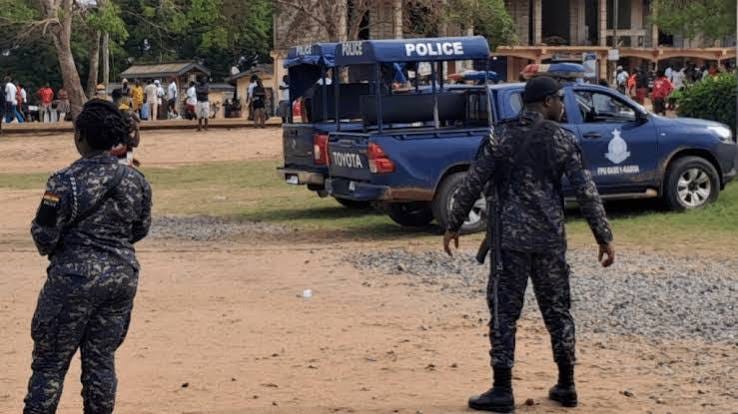
The mechanics of a chieftaincy dispute are shaped by the gap between traditional authority and state enforcement. A homecoming celebration is a claim on legitimacy. A protest against it is a claim that the legitimacy is contested. When a vehicle burns and a police station is threatened, the dispute moves from the palace to the street, and the state’s response becomes part of the problem.
The dispute has a history of violence. Clashes in December 2025 injured two people, and a palace attack in February 2026 led to 10 arrests. The conflict also disrupted a church convention in April 2026 .
This echoes the longer pattern of Ghanaian chieftaincy disputes becoming public order crises, and the broader West African problem of traditional authority being contested through violence rather than adjudication.
The winners are the factions that can claim the state’s backing, and the police, which gets to deploy. The losers are the residents who stayed indoors while gunshots rang out, and the community that will host another funeral before it hosts a homecoming.
Bottom Line: A chieftaincy dispute is a local matter until someone fires a gun. Then it becomes a police matter, and the police are not neutral.