


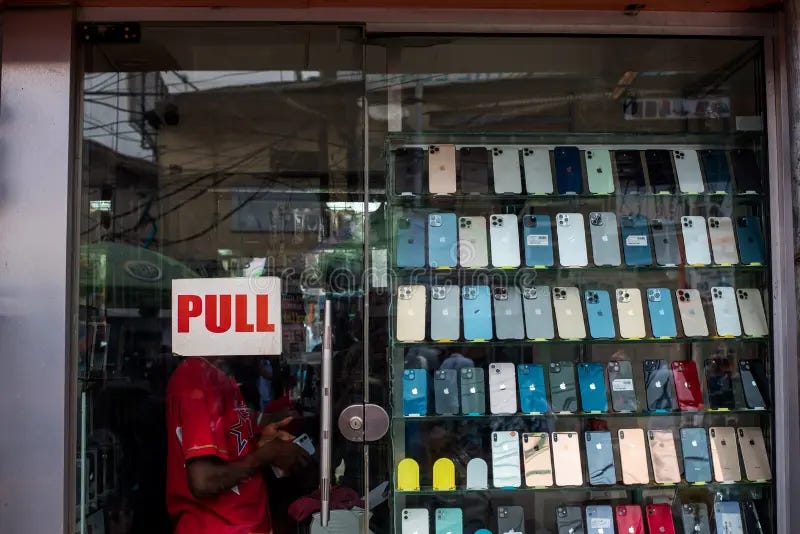
At a regional mobile technology forum, the Global System for Mobile Communications Association (GSMA) urged African governments to lower import duties on entry-level smartphones. The association highlighted that high device costs remain the single largest barrier preventing an estimated 961 million Africans from accessing mobile internet and digital financial services.
The call reflects the growing recognition that mobile internet is essential for economic development. Lowering import duties on smartphones would make them more affordable, increasing access to digital services and financial inclusion. The GSMA’s recommendation is a significant one, as it comes from an industry body representing the interests of mobile operators.
The Nigerian stake is clear. Nigeria has one of the largest populations without internet access, and the high cost of smartphones is a significant barrier. Lowering import duties could accelerate digital inclusion and unlock the benefits of the digital economy.
From a Nigerian vantage point, the GSMA’s call is a reminder that Nigeria must address the cost of digital access. The country has made progress in expanding broadband infrastructure, but device affordability remains a challenge.
This echoes the 2020s digital inclusion debates, which have also highlighted the cost of devices as a barrier. The mechanism then was different, but the result was the same: a recognition that digital access requires affordable devices.
The winners: Nigerian consumers, who would benefit from cheaper smartphones; and the Nigerian digital economy, which would gain from increased access. The losers: the Nigerian government, which would lose tariff revenue; and the Nigerian public, who must wait for policy changes.
Bottom Line: GSMA wants lower smartphone tariffs in Africa. The goal is digital inclusion. The question is whether Nigeria will act on the recommendation.