


The Nigerian Electricity Regulatory Commission (NERC) has released its operational performance factsheet for August. Grid-connected power plants utilised 86% of their available generation capacity. Average available capacity stood at 4,758 megawatts. Average utilisation was 4,102 megawatts. The figures show the fleet is running close to its potential. That potential remains far below what Nigeria needs.
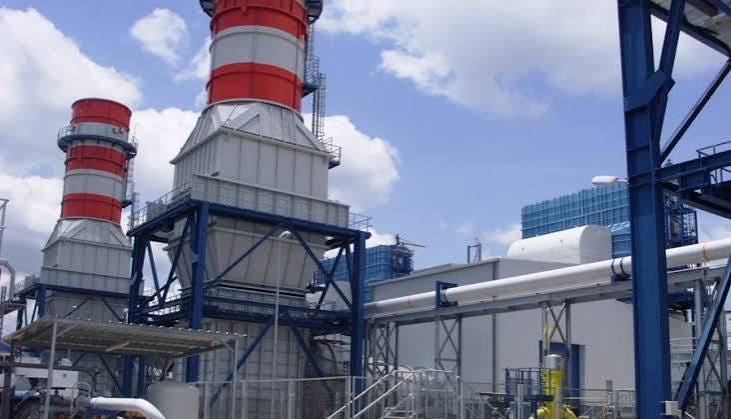
Nigeria has about 13,625 megawatts of installed generation capacity. Available capacity has rarely exceeded 5,000 megawatts. The gap reflects gas shortages, transmission constraints and ageing plants. In 2024, average available capacity hovered around 4,200 megawatts. In 2025, it improved marginally. The grid collapsed entirely on 23 January 2026. It partially collapsed again on 22 August. Generation dropped to 1,132 megawatts from over 4,000 earlier that day. The system remains fragile.
The August data shows strong performance from key units. Afam_2 recorded the highest load factor at 99%. Kainji_1 followed at 98%. Egbin_1 recorded 96%. These three units operated near their available capacities throughout the month. Load factor measures how much of a plant’s capacity is used. A 99% load factor means the plant ran almost continuously. That is efficient operation. It does not mean the plant is large. Afam_2 and Kainji_1 are hydro and gas units with modest capacities. Their high load factors reflect reliability, not scale.
The 86% utilisation rate is a positive signal. It means the grid is absorbing most of what the plants can produce. That reduces curtailment. Curtailment happens when generation exceeds transmission capacity. It wastes power. The August figures suggest that transmission is not the binding constraint. Generation is.
The numbers also expose the core problem. Even at 86% utilisation, total output is about 4,102 megawatts. That serves a population above 220 million. Per capita generation is among the lowest in the world. The grid cannot support industrialisation. Manufacturers rely on generators. Households face daily outages.
Winners: NERC, which demonstrates monitoring capacity. Generation companies, which operate efficiently. Afam_2, Kainji_1 and Egbin_1, which post strong load factors. Consumers, if reliable generation continues. Losers: Consumers, who still face inadequate supply. Manufacturers, who cannot depend on the grid. Taxpayers, who fund infrastructure that underperforms. The grid, which remains fragile despite efficient plants. Nigeria’s industrial ambitions, which require far more power.
Bottom Line: An 86% utilisation rate is good. It means the fleet is running well. It also means the fleet is small. Nigeria does not need better utilisation alone. It needs more generation, better transmission and fewer collapses. Efficiency within a limited system is not enough.