


The 12th edition of Green October held in Lagos this week. Nollywood celebrities, cultural figures and fashion influencers attended. The event highlighted sustainable African design and ethical luxury fashion. Designers showed collections built around local materials and low-waste production. Speakers discussed the environmental cost of fast fashion. The audience included buyers, stylists and content creators.
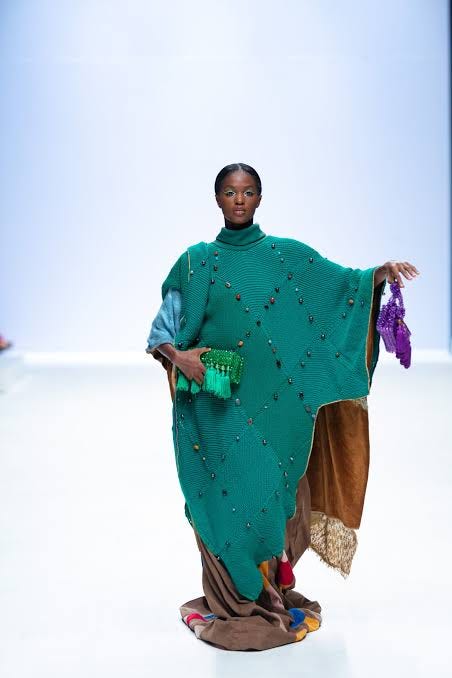
Nigeria’s fashion industry has grown rapidly. Lagos Fashion Week attracts international buyers. Nigerian designers show in Paris and London. The sector still depends on imported fabrics and high-energy production. Sustainability has been a niche concern. In 2023, several designers began using natural dyes and recycled textiles. In 2024, a group of Lagos-based labels formed a collective to share sustainable sourcing. Green October has provided a platform for that work. The event is part of a broader shift in African fashion toward ethical production.
This year’s Green October focused on local materials. Designers used adire, aso oke, handwoven cotton and recycled denim. Speakers discussed water use in textile production. They discussed fair pay for tailors and the role of small workshops. Influencers documented the event online. The coverage extended beyond Lagos.
The event also addressed luxury. Ethical fashion is often priced higher. The organisers argued that quality and provenance justify the cost. Buyers in attendance included diaspora Nigerians and international retailers. That mix matters. Local demand alone cannot sustain premium pricing.
The challenge is scale. Sustainable production is slower and more expensive. Nigerian tailors often lack access to finance. Fabric supply is inconsistent. Certification is rare. Green October highlights the problem. It does not solve it. The designers who showed have built small businesses. They need capital and infrastructure to grow.
Winners: Sustainable designers, who gained visibility. Local fabric producers, who gained demand. Influencers, who gained content. Lagos, which gained cultural tourism. Losers: Fast-fashion importers, who face scrutiny. Designers without access to sustainable materials. Tailors without fair pay, if the trend remains niche. The environment, if production practices do not change.
Bottom Line: Green October put sustainable design on the runway. The clothes are beautiful. The economics are hard. Nigerian fashion needs capital, not just attention. Ethical luxury must become a viable business, not a seasonal showcase.