


The National Grassroots Sports Summit 2026 opened at the State House Banquet Hall in Abuja, after organisers shifted the dates by one day citing technical challenges and an emergency. The two-day event brings together policymakers, sports administrators and private-sector partners to discuss talent pathways and the sports economy. President Bola Tinubu endorsed the summit, and the Nigerian Economic Summit Group is a technical partner. The organisers have urged stakeholders to look beyond medals and focus on structures.
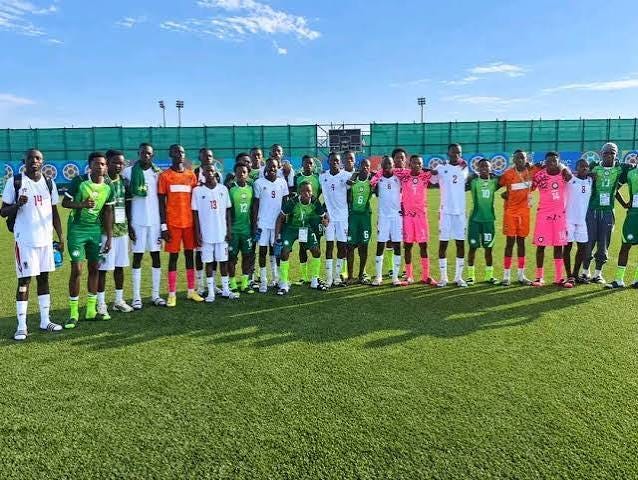
The mechanics of a sports summit are familiar. A banquet hall, a panel of administrators, a communique, and a promise to discover talent at the grassroots. The problem is that Nigeria’s grassroots sports infrastructure has been declining for decades. School sports, which once produced the athletes who dominated African competitions, have largely collapsed. Local government sports councils are underfunded. The scouting networks that once moved a talented teenager from a village pitch to a national camp are thin and informal. A two-day summit can map the problem. It cannot rebuild the pipeline.
This echoes the 2019 National Sports Festival, which produced a similar set of recommendations and a similar absence of follow-through. It also mirrors the longer pattern of Nigerian sports policy being heavy on events and light on institutions.
The winners are the administrators who can claim a presidential endorsement, and the consultants who will write the post-summit report. The losers are the young athletes in Makurdi, Ilorin and Yenagoa who will not see a scout, and the coaches who will keep working without pay because the alternative is to leave the profession entirely.
Bottom Line: A summit is a conversation. A scouting budget is a policy.