


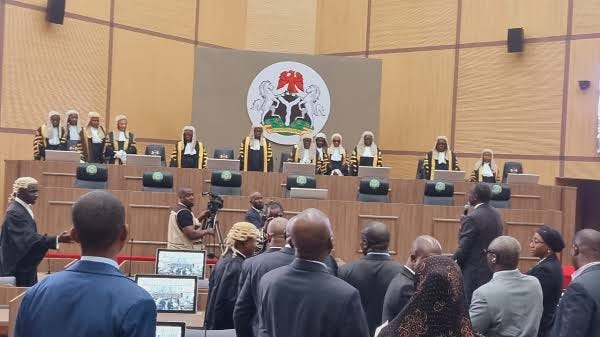
Two years after the Supreme Court granted direct financial autonomy to local government councils, reports show state executive governors continue to exert structural control over local administration funds across several states. The ruling was intended to strengthen local governance and ensure that funds meant for grassroots development reach the communities. However, reports indicate that governors have found ways to circumvent the ruling, maintaining control over local government finances.
The persistence of gubernatorial control over LG funds is a betrayal of the Supreme Court’s intent. The ruling was a landmark decision that promised to decentralise power and resources. The governors’ continued control suggests that the structural barriers to local government autonomy remain intact. The Nigerian public must demand accountability and ensure that the ruling is enforced.
This echoes the 2019 financial autonomy struggles, which also saw governors resist the devolution of power. The mechanism then was different, but the result was the same: a centralisation of power that undermines grassroots development.
The winners: state governors, who have maintained control over local government funds; and the political establishment, which benefits from the status quo. The losers: local government councils, which are starved of resources; and the Nigerian public, who are denied the benefits of grassroots development.
Bottom Line: Two years after the Supreme Court ruling, governors are still controlling LG funds. The promise of local government autonomy remains unfulfilled. The question is whether the judiciary will enforce its ruling or the governors will continue to flout it.