


Google has announced new AI-powered advertising tools for Nigerian businesses. The announcement was made by Olumide Balogun, Google’s Director for East and West Africa. The tools are available on the AI Max for Search platform. They include AI-powered ad-tracking and plain-language campaign management features.
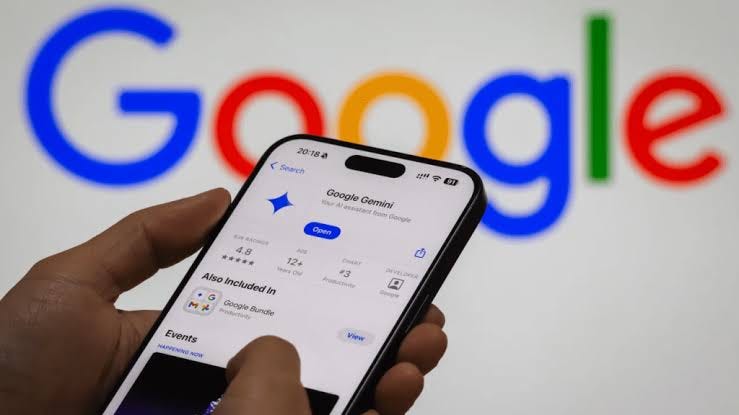
Nigeria’s digital advertising market is growing. Small businesses increasingly rely on Google and Meta to reach customers. But the tools are complex. Many business owners lack technical skills. They struggle to optimise campaigns. They waste money on ineffective ads. Google has invested in simplification. In 2023, it launched Performance Max. In 2024, it introduced AI-generated ad copy. The AI Max for Search is the latest iteration.
The new tools target Nigerian businesses. The AI-powered ad-tracking provides real-time data. It shows which ads work. It shows which audiences convert. It recommends adjustments. The plain-language features allow business owners to set up campaigns without jargon. They can describe their goals in simple terms. The AI translates that into targeting and bidding.
The economic logic is sound. Nigerian SMEs are the backbone of the economy. They employ millions. They need customers. Digital advertising reaches those customers. But only if businesses can use it. Simplification lowers the barrier. AI handles complexity.
The timing matters. Nigeria’s economy is tough. Businesses are cutting costs. Advertising budgets are tight. Every naira must work. Effective tools help. They also help Google. More businesses advertising means more revenue. The company benefits from simplifying its platform.
The challenges remain. Internet connectivity is uneven. Smartphone penetration is growing but not universal. Data costs are high. Many businesses cannot afford sustained digital campaigns. Google’s tools help those already online. They do not reach those offline.
The regulatory environment is evolving. The Nigeria Data Protection Commission oversees data use. Google must comply. Ad-tracking uses data. Consent is required. Google has not disclosed how it handles Nigerian data. The Commission has not commented.
Winners: Nigerian SMEs, who gain tools. Google, which gains revenue. Advertisers, who gain efficiency. Digital agencies, which gain new offerings. Losers: Traditional advertising, which faces competition. Businesses that cannot access digital. Agencies that resist AI. Competitors like Meta, which face a stronger Google.
Bottom Line: Google launched AI ad tools for Nigeria. The goal is simplicity. Nigerian businesses need customers. The tools can help. Access and affordability remain barriers.