


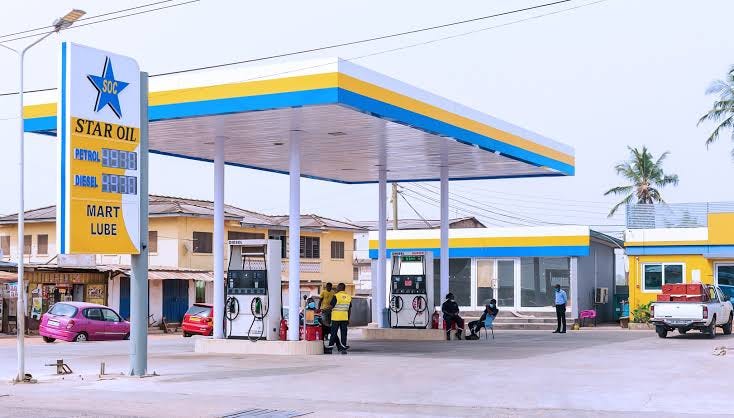
Some oil marketing companies in Ghana have begun reviewing petroleum product prices at their service stations from August 17, with Star Oil leading the adjustment. Star Oil cut its petrol price to GH¢14.97 per litre from GH¢15.49, while keeping diesel unchanged at GH¢16.97 per litre. Market leader GOIL and TotalEnergies had not adjusted their pump prices as of the morning checks by Joy Business. However, some OMCs said they could still review prices later in the day.
The National Petroleum Authority has set a price floor of GH¢13.92 per litre for petrol and GH¢15.19 for diesel for the August 16-31 pricing window. Despite the floor, most OMCs are expected to continue selling above the minimum prices, reflecting differences in their pricing decisions and market conditions.
The Nigerian stake is clear. Ghana’s fuel pricing dynamics are closely watched in Nigeria, as both countries face similar challenges in managing petroleum product pricing. Ghana’s market-based approach, with OMCs adjusting prices independently, contrasts with Nigeria’s more centralised system.
From a Nigerian vantage point, the Ghanaian approach offers a model for fuel pricing. The price floor provides a minimum, but OMCs are free to charge above it. This allows for competition and potentially lower prices for consumers. Nigeria’s deregulated market operates on a similar principle, but the government has struggled to fully implement it.
This echoes the 2022 fuel price adjustments in Ghana, which also saw OMCs respond to market conditions. The mechanism then was different, but the result was the same: a market-based approach to fuel pricing.
The winners: Ghanaian consumers, who may benefit from lower prices; and the Ghanaian economy, which benefits from a market-based approach. The losers: the Nigerian government, which must learn from Ghana’s example; and the Nigerian public, who must wait for the benefits.
Bottom Line: Ghana’s fuel prices are adjusting. The market is responding. The question is whether Nigeria will follow Ghana’s example or maintain its current approach.