


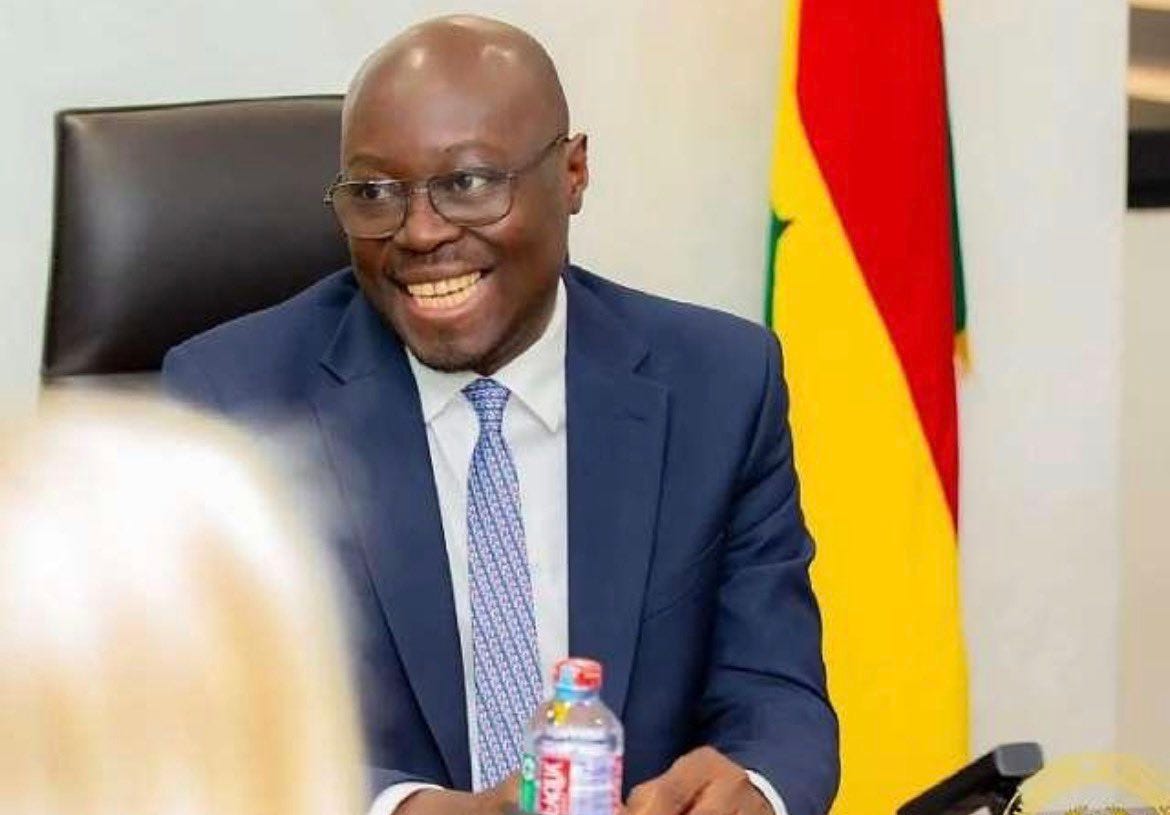
Ghana’s Finance Minister, Dr Cassiel Ato Forson, is set to present the country’s 2026 Mid-Year Budget Review to Parliament on July 23, where he is expected to unveil a new economic policy aimed at shifting the government’s focus from economic stabilisation to long-term growth. The policy is expected to build on recent fiscal reforms and prioritise job creation, higher productivity, economic resilience and inclusive growth.
The minister is also expected to update lawmakers on Ghana’s successful completion of the International Monetary Fund’s Extended Credit Facility programme and the country’s transition to a new Policy Coordination Instrument. He will provide an assessment of the economy, progress on external debt restructuring and the country’s improved debt sustainability. The review is also expected to cover first-half revenue performance, government spending, debt servicing and the fiscal outlook for the rest of 2026. Dr Forson may announce adjustments to the 2026 budget to reflect current economic conditions while reaffirming the government’s commitment to fiscal discipline and investor confidence.
The Nigerian stake is clear. Ghana’s economic performance is closely watched in Nigeria, as both countries share similar economic structures and face similar challenges. Ghana’s successful completion of the IMF programme and its transition to a growth-focused policy offer lessons for Nigeria, which is still struggling with its own fiscal challenges. From a Nigerian vantage point, Ghana’s mid-year review is a reminder that economic reform is a continuous process.
This echoes the 2019 Ghanaian economic reforms, which also focused on stabilisation and growth. The mechanism then was different, but the result was the same: Ghana moving forward while Nigeria struggled to keep pace.
The winners: Ghana, which is making progress on economic reform; and Ghanaian citizens, who stand to benefit from job creation and economic growth. The losers: Nigeria, which is not keeping pace with its West African neighbour.
Bottom Line: Ghana is moving from stabilisation to growth. Nigeria is still trying to stabilise. The gap between the two countries is widening.