


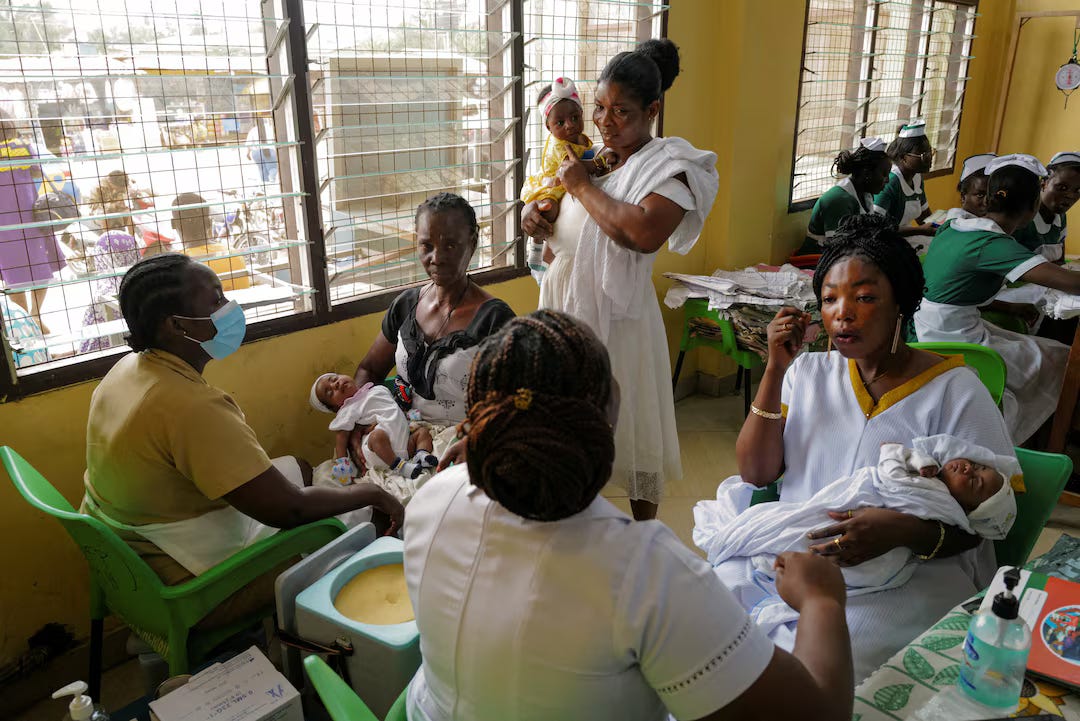
Ghana is reviewing a revised US health financing proposal. The government rejected an earlier version. It raised concerns about national sovereignty, regulatory authority and data protection. The Health Minister, Kwabena Mintah Akandoh, disclosed this. He said Ghana would not accept unsuitable conditions simply because it needs international support.
The proposal is intended to replace funding previously provided through USAID. The US has reduced its global health assistance. African countries are seeking alternatives. The initial proposal reportedly included exemptions from Ghana’s pharmaceutical verification requirements. It also included provisions for sharing health information with the US. Ghana rejected those terms. The Cabinet scrutinised the proposal. The Ministry of Health and Foreign Affairs communicated concerns to Washington. The US submitted a revised memorandum of understanding.
Akandoh said the revised proposal is being examined. It will go to Cabinet for further consideration. He stressed that any agreement must respect Ghana’s laws and national interests. He said the government would prioritise a partnership based on mutual respect rather than dependency. “No final decision has been made,” he said.
The issue matters beyond Ghana. Several African countries are negotiating health agreements with the US. In 2025, Côte d’Ivoire rejected a deportee deal. In 2026, Nigeria refused a similar arrangement. African governments are asserting sovereignty. They want aid. They do not want conditions that undermine their laws.
The US wants access to health data and pathogen samples. It also wants exemptions from local regulations. Those demands conflict with national sovereignty. Ghana is pushing back. The revised proposal may address some concerns. The cabinet will decide.
The outcome will set a precedent. If Ghana accepts, other countries may follow. If it rejects, others may resist. The negotiation is about more than money. It is about the terms of partnership.
Winners: Ghana, which asserts sovereignty. The Health Ministry, which negotiates. Ghanaians, if their data is protected. The US, if a deal is reached. Losers: The US, if Ghana rejects the revised proposal. Ghanaian patients, if funding falls through. Other African countries, if they face similar pressure. No serious losers if the deal is fair.
Bottom Line: Ghana rejected the first US health proposal. It is reviewing a revised version. Sovereignty and data protection are the sticking points. The cabinet will decide. The outcome matters across Africa. Aid must not come with strings that undermine law.