


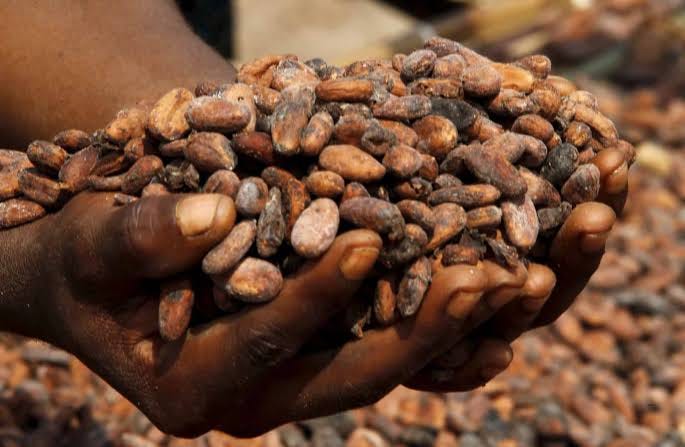
The Ghana Cocoa Board (COCOBOD) has raised the producer price of cocoa for the 2026/2027 season. The price increased by 2.4% to GH¢42,400 per tonne. It was previously GH¢41,392. Randy Abbey, COCOBOD’s chief executive, announced the new price as the season opened. The board also set a realised Free-On-Board price of US$2,650 per tonne. The new producer price represents 71.18% of the FOB value.
Ghana is the world’s second-largest cocoa producer. Cocoa is a major export earner. Farmers have long complained about low prices. In 2023, the government raised the producer price by 63% to cushion farmers against currency depreciation. In 2024, it introduced an automatic pricing mechanism. The Ghana Cocoa Board Act 2026 guarantees farmers at least 70% of the gross FOB price. The current increase follows that law. Ghana is also seeking to reduce reliance on international syndicated loans. It has proposed a Cocoa Notes Programme to raise funds from the domestic capital market.
The price increase is modest. 2.4% is below inflation. Farmers may see real incomes fall. The automatic pricing mechanism links prices to international cocoa prices and exchange rates. Global cocoa prices have been volatile. They peaked in 2024 due to supply shortages in West Africa. They have since moderated. The cedi has weakened. The combination affects the FOB value. The 71.18% share is above the legal minimum. It reflects the government’s commitment to farmers. But farmers want more. Input costs have risen. Fertiliser, labour and transport are expensive. The Cocoa Notes Programme could provide stable financing. It would reduce dependence on foreign loans. The domestic capital market is small. Raising enough funds will be challenging.
Winners: Cocoa farmers, who gain a price increase. COCOBOD, which implements the law. The Ghanaian government, which shows support. Domestic investors, if the Cocoa Notes Programme launches. Losers: Farmers, if inflation erodes the increase. Chocolate manufacturers, if prices rise further. Foreign lenders, who lose business. The cedi, if cocoa revenues fall.
Bottom Line: Ghana raised cocoa prices by 2.4%. Farmers get 71.18% of FOB. The increase is modest. Inflation may erode it. The Cocoa Notes Programme could help. Farmers need more.