


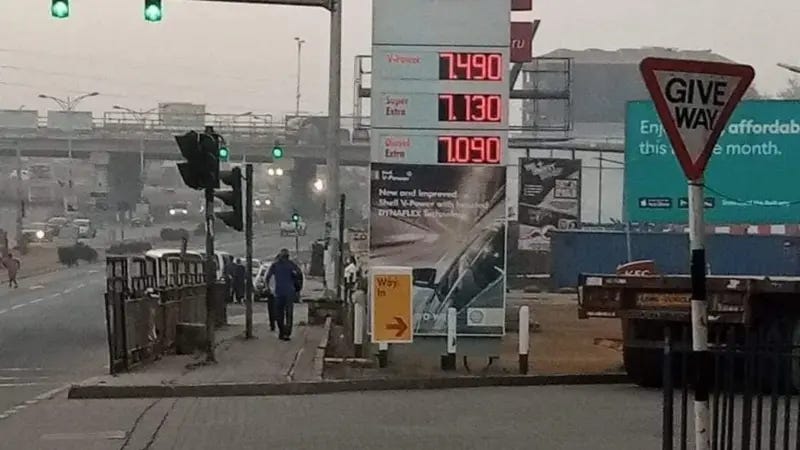
Fuel prices in Ghana are expected to remain stable in the next pricing window, supported by a relatively stable Cedi and lower international crude oil prices. Petrosol CEO Michael Bozumbil said consumers should not expect an increase, although the company was still calculating the final figures and could not confirm whether prices would fall. He identified international fuel prices and the cedi's performance as the key factors influencing pump prices.
Bozumbil said the cedi’s recent stability has allowed consumers to benefit more directly from lower global fuel prices, unlike previous periods when currency depreciation offset declines in international prices. He also said the development highlights the benefits of Ghana’s deregulated fuel pricing system, which allows favourable movements in global markets to be reflected in domestic pump prices.
The Nigerian stake is clear. Nigeria closely watches Ghana’s fuel pricing dynamics, as both countries face similar challenges in managing petroleum product pricing. Ghana’s deregulated system, which allows prices to move with the market, contrasts with Nigeria’s approach, characterised by sporadic adjustments and subsidy debates.
From a Nigerian vantage point, Ghana’s experience offers lessons. The cedi's stability has allowed consumers to benefit from lower global prices. Nigeria’s own currency volatility has often prevented consumers from enjoying the benefits of lower oil prices. Ghana's deregulated system is a model Nigeria could learn from.
This echoes the 2022 fuel price debates in Nigeria, when the government also struggled to balance deregulation with consumer protection. The mechanism was different then, but the result was the same: tension between market efficiency and social welfare.
The winners: Ghanaian consumers, who may benefit from stable or lower prices; and the Ghanaian economy, which benefits from a deregulated system. The losers: the Nigerian government, which must learn from Ghana’s example; and the Nigerian public, who continue to face volatile fuel prices.
Bottom Line: Ghana’s fuel prices are stable. The cedi is holding steady. Nigeria is watching. The question is whether Nigeria can replicate Ghana’s success.