


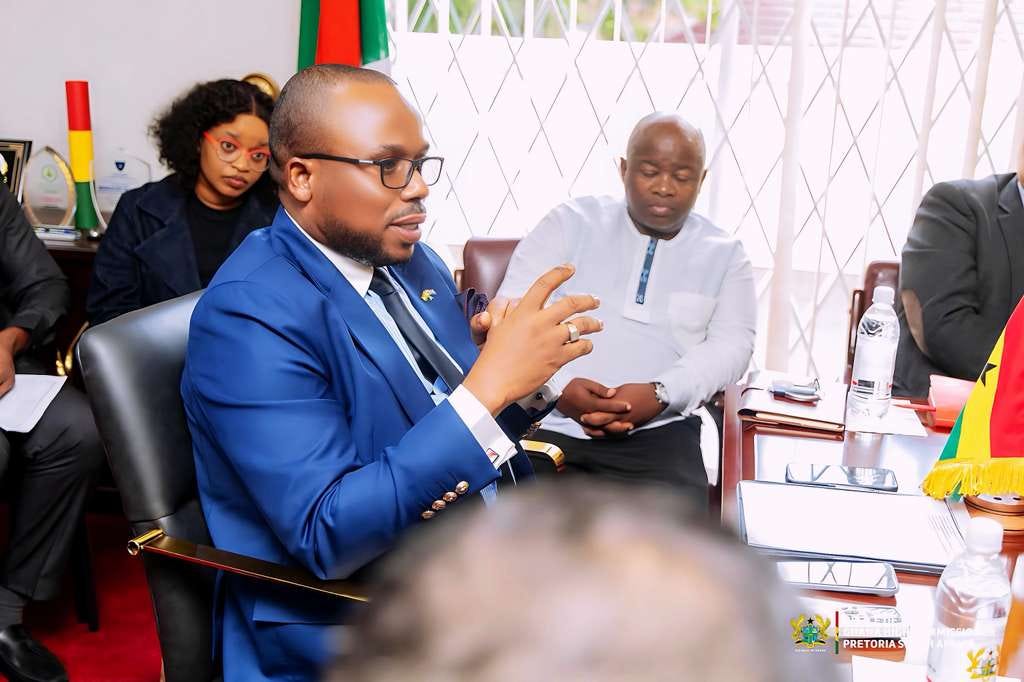
Ghana has stepped up diplomatic efforts following the killing of a Ghanaian national during xenophobic attacks in South Africa. The victim, 40-year-old Bashiru Isak, was shot dead in Cape Town on June 30 during anti-immigrant protests. Ghana’s Foreign Affairs Ministry condemned the killing, describing it as a senseless act, and called for a full investigation, the arrest of those responsible and stronger protection for Ghanaians living in South Africa.
Ghana’s High Commission in Pretoria has lodged formal protests with South African authorities and confirmed that an autopsy has been conducted. The government is also arranging to repatriate Isak’s body for burial. Ghanaians in South Africa have been advised to remain vigilant, avoid high-risk areas and contact the High Commission if they face danger.
The Nigerian stake is clear. Thousands of Nigerians live and work in South Africa, and they face the same risks. The xenophobic violence that flares up periodically in South Africa has targeted Nigerians in the past, most notably in 2019 when attacks on foreign-owned businesses led to a diplomatic row between Abuja and Pretoria. That row was resolved. The underlying tensions were not.
The killings of foreign nationals in South Africa are not new. They reflect a toxic combination of economic competition, weak law enforcement and political rhetoric that scapegoats immigrants. The pattern is familiar: protests over unemployment and crime morph into attacks on foreign-owned businesses, particularly in townships, where the targets are often Nigerian, Ghanaian, Ethiopian or Pakistani traders. South African authorities denounce the violence and promise action. Then the cycle repeats.
From a Nigerian vantage point, the issue is twofold. First, the safety of Nigerian citizens in South Africa must be taken seriously. Second, Nigeria must decide whether to support Ghana’s diplomatic push at the African Union. A unified West African stance on xenophobic violence would send a powerful signal. But Nigeria’s silence would also send a signal.
The winners: none. The losers: African migrants in South Africa who face violence, and the African Union’s credibility, which takes another hit when it cannot protect African citizens on African soil.
Bottom Line: Ghana is demanding African Union action on South Africa’s xenophobic violence. Nigeria should be listening.