


The Accra High Court has sentenced Bernard Antwi-Boasiako, popularly known as Chairman Wontumi and the Ashanti Regional Chairman of Ghana’s New Patriotic Party (NPP), to 20 years in prison for illegal mining activities at the Samreboi concession in the Western Region. Justice Audrey Kocuvie-Tay also fined him 10,000 penalty units, equivalent to GH¢120,000, with a three-year default jail term if the fine is not paid.
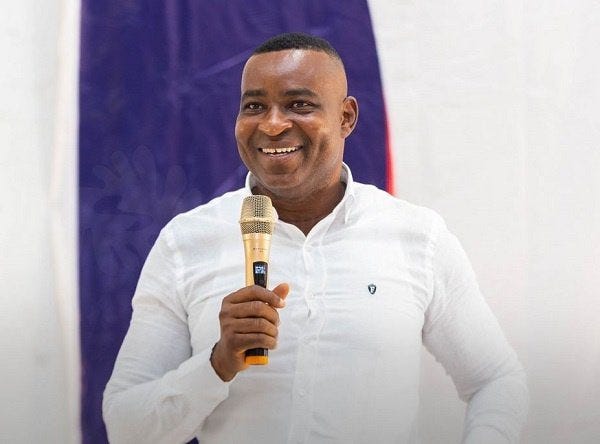
The court found Wontumi guilty on six charges, including assigning mineral rights without approval and facilitating unlicensed mining, offences punishable by 15 to 25 years under Ghana’s Minerals and Mining Act. While Wontumi received a custodial sentence, Akonta Mining Company Limited, linked to him, was fined instead. The case stems from a 2025 anti-illegal mining operation that led to multiple arrests and the seizure of excavators, firearms, vehicles and cash. The court will later rule on the forfeiture of the seized assets.
The sentencing is a significant victory for Ghana’s anti-illegal mining campaign, which has struggled to curb the environmental and social devastation caused by illegal mining, known locally as galamsey. The conviction of a high-profile political figure sends a strong signal that no one is above the law. However, questions remain about whether the sentence will be a deterrent or just another high-profile case that fades from memory.
The Nigerian stake is clear. Illegal mining is a major problem in Nigeria as well, particularly in states like Zamfara, Osun and Kogi. The environmental and social costs are significant: water pollution, deforestation, health hazards and loss of government revenue. The Nigerian government has struggled to contain the problem, with limited success.
From a Nigerian vantage point, Wontumi’s conviction is a reminder that enforcement is possible when there is political will. Nigeria’s own efforts to curb illegal mining have been hampered by corruption, weak enforcement and the involvement of powerful interests. If Ghana can convict a senior political figure, Nigeria can do more than it is currently doing.
The winners: Ghana’s judiciary, which has demonstrated its independence; and the Ghanaian environment, which benefits from reduced illegal mining. The losers: Wontumi, who will spend two decades in prison; and the Nigerian government, which has not matched Ghana’s enforcement efforts.
Bottom Line: A senior Ghanaian politician is going to prison for illegal mining. The message is clear: no one is above the law. The question is whether Nigeria will follow Ghana’s example.