


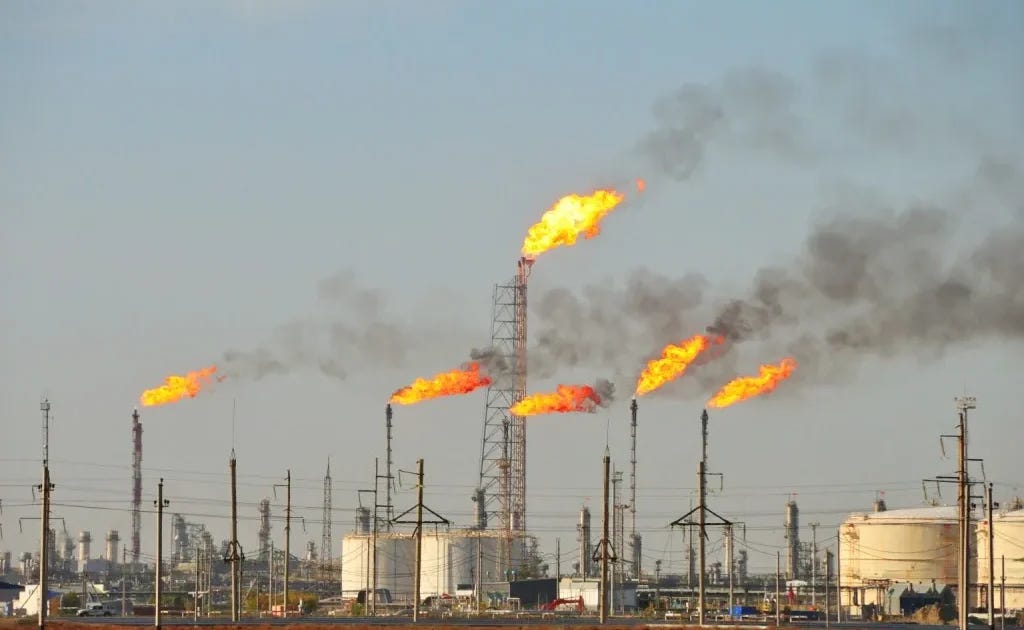
Germany unveiled a new economic initiative with Nigeria aimed at converting the estimated $1.5 billion lost annually to gas flaring into domestic power and hydrogen production. German Ambassador Annett Günther highlighted that utilising the 5.3 billion cubic metres of flared gas will reduce carbon emissions while unlocking new industrial value.
The initiative is a significant development for Nigeria’s energy sector. Gas flaring has been a persistent problem, releasing greenhouse gases and wasting valuable resources. The German initiative offers a way to capture that gas and use it productively, generating electricity and hydrogen while reducing emissions. The project could also attract German investment and technology transfer.
The winners: Nigeria’s energy sector, which gains a new source of revenue; and the environment, which benefits from reduced emissions. The losers: the oil companies that currently flare gas; and the Nigerian government, which must ensure the project is implemented effectively.
Bottom Line: Germany wants to turn Nigeria’s flared gas into power and hydrogen. The plan is ambitious. The question is whether it will be implemented or remain on paper.