


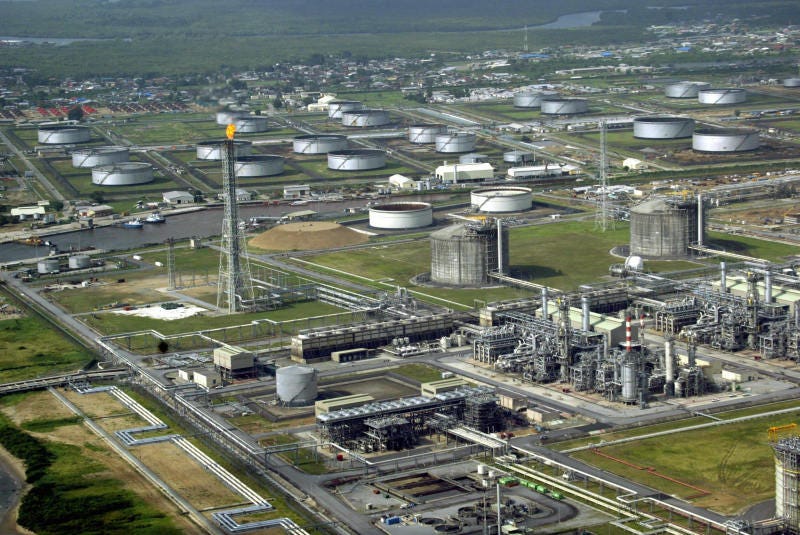
Industry leaders and energy regulators gathered in Lagos for the 4th Gas Investment Forum, outlining frameworks to unlock $60 billion in gas infrastructure and raise domestic output to 10 billion cubic feet per day by 2027. The forum brought together policymakers, investors and operators to address the financing gap that has stalled Nigeria’s gas expansion.
The target is ambitious. Nigeria currently produces about 8 BCF/D, with a significant portion exported as LNG. The government has prioritised gas as a transition fuel, but the infrastructure to process and distribute it domestically remains inadequate. The $60 billion needed for pipelines, processing plants and power generation is far beyond what the government can provide alone.
This echoes the 2021 Decade of Gas initiative, which also set ambitious targets that were not met. The mechanism then was different, but the result was the same: a gap between aspiration and delivery.
The winners: gas investors and operators, who stand to benefit from a more favourable policy environment. The losers: Nigerian consumers, who continue to wait for reliable gas supply, and the government, which must attract private capital without offering excessive incentives.
Bottom Line: $60 billion is needed. The target is 10 BCF/D by 2027. The question is whether the frameworks will attract investment or remain on paper.