


Nigeria’s electricity crisis will persist unless the Federal Government addresses mounting debts, inadequate gas investment and weak transmission infrastructure. Industry stakeholders gave the warning at a conference in Abuja. Bashiru Adoke of the Nigerian National Petroleum Development Company said the electricity market owed gas suppliers over ₦630 billion. Insufficient payments to generation companies are undermining gas supply. He warned that government interventions targeting legacy debts would not prevent fresh liabilities without sustainable payment arrangements.
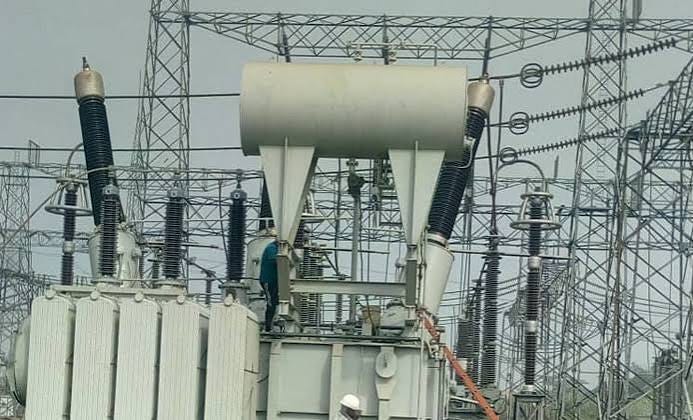
Adoke also urged increased investment in non-associated gas production. The Transmission Company of Nigeria identified inadequate generation, vandalism and right-of-way disputes as major constraints. The warnings follow nationwide outages linked to gas shortages and reduced hydroelectric generation. The mechanics are simple. Gas suppliers stop supplying when they are not paid. Generation companies produce less power. The grid collapses. Consumers sit in the dark. Each stage of the chain is now a debt trap.
This mirrors the 2016 power sector crisis. Then, gas debts and unpaid invoices forced generation companies to shut down plants. The government intervened with a payment plan. The debts returned. The difference now is scale. The ₦630 billion owed to gas suppliers is larger, and the naira is weaker. Every dollar of gas investment costs more to service.
The historical echo goes further back, to the 2005 privatisation of the power sector. The privatisation was meant to bring private capital and efficiency. Instead, it produced a chain of companies that depend on government subsidies and unpaid invoices. The winners are gas suppliers who can demand payment, and officials who announce interventions. The losers are households and businesses that endure outages, and generation companies that cannot recover costs. For a welder in Aba, the grid is not a policy abstraction. It is the reason he runs a generator that costs more than his tools.
Winners: Gas suppliers who can demand payment; officials who announce interventions.
Losers: Households and businesses facing outages; generation companies that cannot recover costs; taxpayers funding debt settlements.
Bottom Line: ₦630 billion in gas debts is a bill that keeps growing. Until the market pays its suppliers, Nigeria will keep paying for darkness.