


Nigeria’s grid is short of power again. The Nigerian Independent System Operator has blamed gas supply constraints and reduced water inflows. Thermal plants cannot run at available capacity. Hydro stations are producing less. Distribution companies are receiving smaller allocations. As a result, supply hours are shorter, and load shedding is heavier nationwide. NISO issued the statement on Thursday.
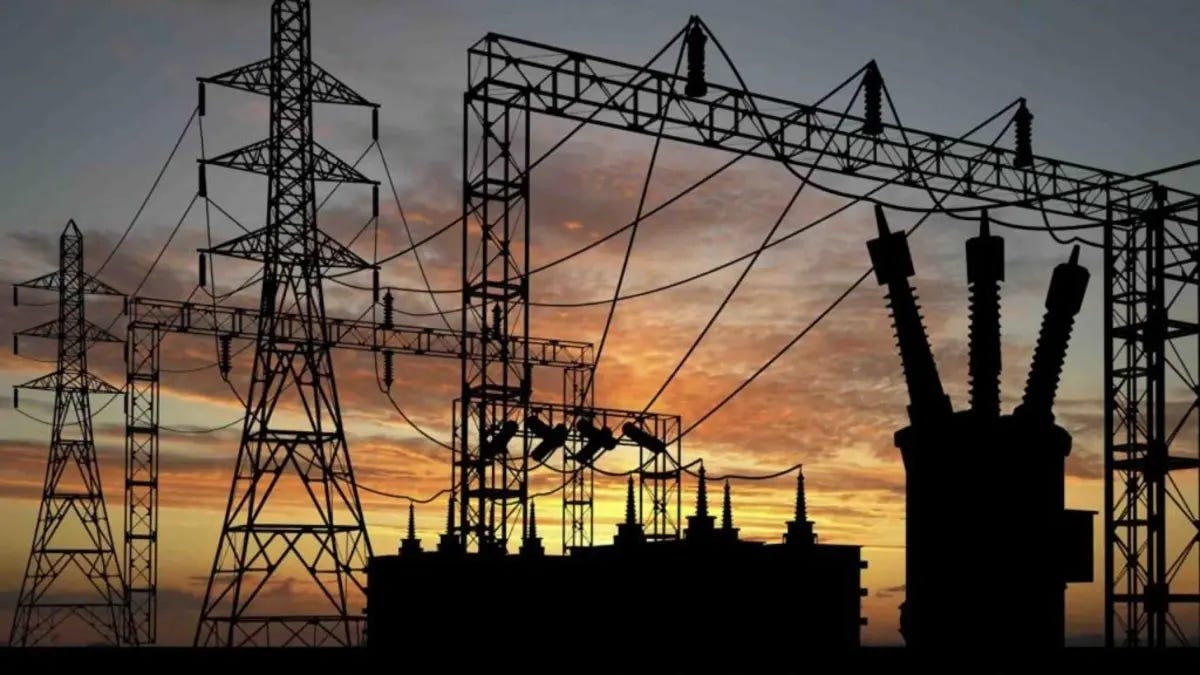
The pattern is familiar. In January 2026, the national grid collapsed entirely. In August, it partially collapsed again, dropping to 1,132 megawatts from over 4,000 earlier that day. Installed capacity is about 13,625 megawatts. Average available generation has hovered around 4,286 megawatts. Gas shortages are a recurring cause. Pipeline vandalism, unpaid gas debts and infrastructure gaps limit supply to thermal plants. Low dam levels add seasonal pressure. The grid’s fragility is structural, not accidental.
NISO said limited gas availability constrained affected thermal stations. Reduced water inflows into reservoirs hit hydro output. The generation decline cut the volume allocated to DisCos. Consumers face shorter hours and more frequent outages. The impact varies by DisCo, depending on available generation and allocations.
NISO acknowledged public concern. It said it is diversifying the energy mix to strengthen supply security. It said it remains committed to grid stability and efficient dispatch within operational constraints.
The explanation is technically correct. It is also incomplete. Gas supply has been constrained for years. Causes include unpaid invoices, poor pipeline maintenance, and insecurity in the Niger Delta. Hydro output falls every dry season. The system operator can manage the shortfall. It cannot create gas or rain. Households and businesses pay the price. Manufacturers run generators. Hospitals switch to diesel. Students study in the dark.
Winners: Generator sellers and fuel suppliers. Solar installers. Gas producers who can charge premium prices. DisCos that allocate scarce power to high-revenue customers. Losers: Households, who face blackouts. Manufacturers, whose production costs rise. Hospitals, which cannot rely on the grid. Students, who lose study hours. Small businesses, which cannot afford diesel. The economy, which absorbs lost productivity.
Bottom Line: Gas and water are the immediate causes. The grid’s weakness is the deeper problem. NISO can explain the shortfall. It cannot fix it alone. Until gas supply is reliable and the grid is reinforced, blackouts will return every season.