


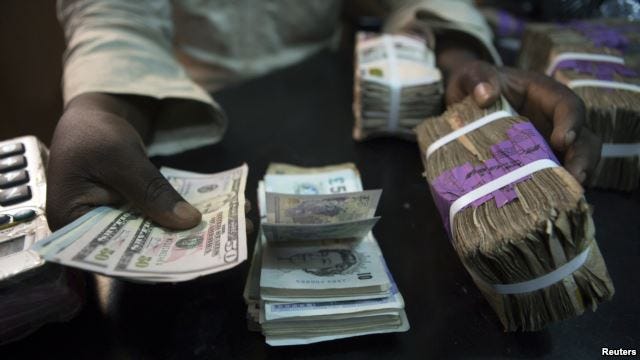
Foreign exchange inflows into Nigeria rose by 23% to $35 billion. The Central Bank of Nigeria disclosed the figure. The increase was driven by sustained diaspora remittances and foreign portfolio investments. The improvement followed currency convergence measures. The naira has stabilised. Reserves have risen. Investor confidence is returning.
Nigeria’s foreign exchange market was distorted for years. Multiple exchange rates created arbitrage. The naira was overvalued. Foreign investors could not repatriate funds easily. In 2023, the government floated the naira. It cleared FX backlogs. It unified the exchange rate. Those reforms were painful. Inflation rose. The naira weakened. But they restored credibility. Inflows began to return.
The CBN data shows the scale of the recovery. Diaspora remittances remain the largest source of FX. Nigerians abroad send over $20 billion annually. Portfolio investments are returning. The J.P. Morgan and FTSE reclassifications opened the door. Foreign investors bought naira bonds and equities. The 23% increase reflects both flows.
The currency convergence was critical. When the official rate matched the parallel rate, arbitrage disappeared. Investors gained confidence. They could repatriate profits without difficulty. The CBN governor, Olayemi Cardoso, has prioritised FX stability. The reserves at $55 billion give the bank room to defend the naira. The current account surplus is projected at 6% of GDP. These are positive indicators.
The risks remain. Portfolio flows are volatile. Hot money can leave quickly. If global interest rates rise, investors will move. Remittances depend on foreign economies. A recession in the UK or US would reduce transfers. The inflows are welcome. They are not permanent.
Winners: The Federal Government, which gains reserves. The CBN, which gains credibility. Foreign investors, who gain returns. Diaspora families, who receive more naira. Businesses, which gain access to FX. Losers: Importers, if the naira appreciates too fast. Currency speculators, who lost bets. Nigerians without diaspora connections, who see no direct benefit. The economy, if hot money reverses.
Bottom Line: Inflows rose 23% to $35 billion. Remittances and portfolio investments drove the increase. The naira is stable. Reserves are strong. But hot money is fickle. Nigeria must attract long-term investment. It must reduce reliance on volatile flows.