


Retail filling stations across Abuja and surrounding regions raised pump prices after ex-depot price realignments and rising fuel replacement costs, according to independent petroleum marketers. The price increase is a blow to consumers already struggling with high living costs.
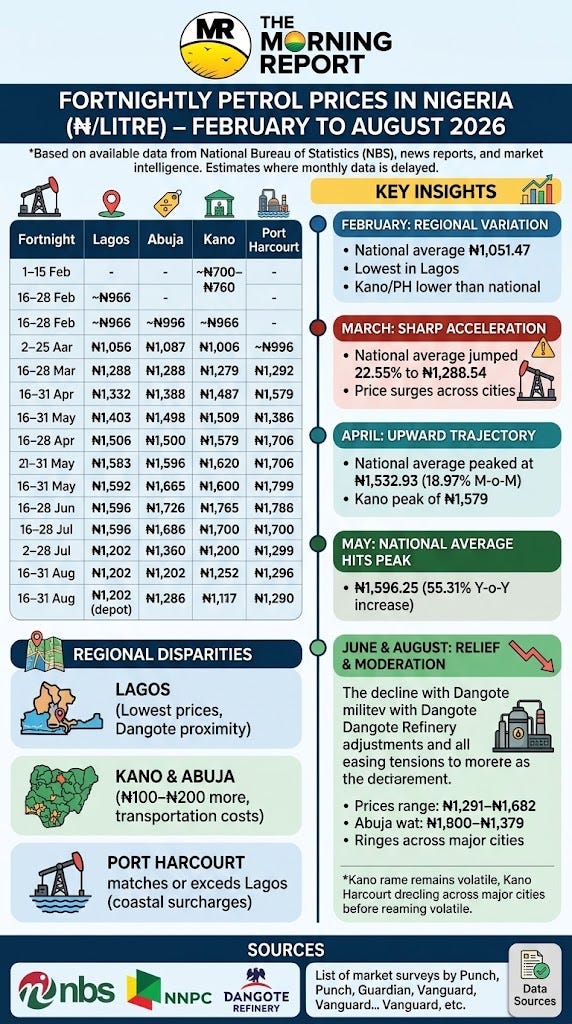
The adjustment reflects the volatility of the fuel market and the challenges facing the downstream sector. Independent marketers have cited rising replacement costs as the reason for the price increase. The government has not intervened to moderate the price increase. The increase will feed into inflation and add to the cost of living for Nigerians.
This echoes the 2023 fuel price hikes, which also saw prices rise amid market adjustments. The mechanism then was different, but the result was the same: consumers bearing the cost of market volatility.
The winners: petroleum marketers, who are passing on higher costs; and the Nigerian government, which collects taxes on fuel sales. The losers: Nigerian consumers, who face higher fuel prices; and the Nigerian economy, which suffers from higher inflation.
Bottom Line: Fuel prices are up in Abuja. The market is adjusting. The question is whether the government will intervene or let the market determine prices.