


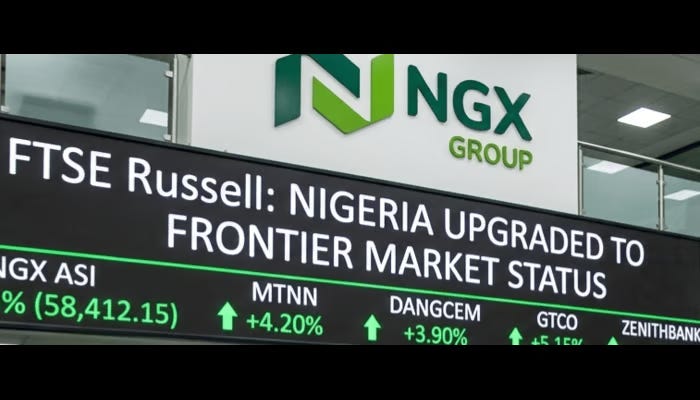
Global index provider FTSE Russell has confirmed Nigeria’s reclassification back into the FTSE Frontier Market universe. The change takes effect on 21 September 2026. The firm cited improved foreign exchange liquidity and easier capital repatriation. The decision reverses Nigeria’s 2023 downgrade to unclassified status. It signals growing investor confidence.
Nigeria was downgraded in 2023 after the central bank imposed capital controls. Foreign investors could not easily repatriate funds. The naira was overvalued. The J.P. Morgan Emerging Markets Index had already ejected Nigeria in 2015. The FTSE downgrade deepened the country’s isolation from global capital. Reforms since 2023 included a currency float and clearing of FX backlogs. Those reforms laid the groundwork for reclassification.
FTSE Russell’s decision follows months of engagement with Nigerian authorities. The index provider monitors market accessibility. It assesses FX liquidity, settlement processes and regulatory transparency. Nigeria met the criteria. The reclassification triggers passive fund inflows. Index-tracking investors must buy Nigerian equities and bonds. That creates mechanical demand. It also supports the naira. The inflows are welcome. They are not a guarantee of stability. Portfolio flows can reverse quickly. The government must maintain the reforms that made this possible.
The timing matters. The J.P. Morgan readmission earlier this year was a precursor. Both indices influence global allocation. Nigeria’s return to the FTSE Frontier Market universe restores its visibility. That visibility attracts active managers as well. The economic impact depends on the scale of inflows. Estimates vary. Even modest inflows would support reserves.
Winners: The Federal Government, which gains credibility. The Central Bank of Nigeria, which sees reforms validated. Stockbrokers and banks, which earn fees. Pension funds, which benefit from liquidity. Foreign investors, who regain access. Losers: Investors who exited during the downgrade, who may miss the rebound. Local borrowers, if capital inflows push up asset prices without improving credit access. The naira, if inflows create new dependency. Taxpayers, if the government becomes complacent.
Bottom Line: Reclassification is a vote of confidence. It is not a development strategy. Nigeria must keep the reforms. Hot money can leave as fast as it came.