


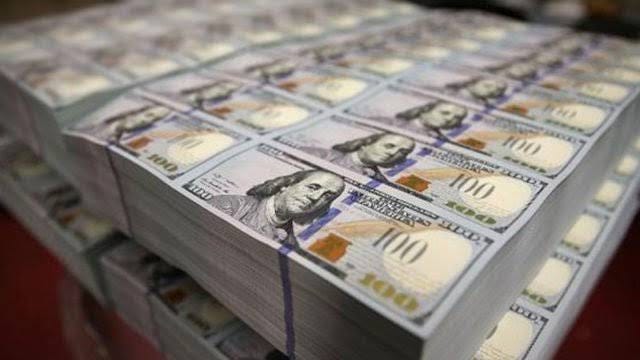
Central Bank of Nigeria data confirms foreign exchange reserves reached $54.08 billion—the highest level since December 2008—driven by sustained oil-related receipts and foreign capital inflows. The reserves build-up is a significant achievement for the CBN.
The highest level since 2008 suggests that the CBN’s policies are working. The reserves provide a buffer against external shocks and support the naira’s stability. For a small business owner, the stronger reserves mean a more stable exchange rate. For a consumer, it means a more predictable cost of imported goods.
This echoes the 2008 reserves peak, which was also followed by a period of relative stability. The mechanism then was different, but the result was the same: a period of strength for the naira.
The winners: the CBN, which has managed reserves well; and the Nigerian economy, which benefits from a stronger reserves position. The losers: the Nigerian public, who have yet to feel the benefits; and the government, which must ensure the reserves are used wisely.
Bottom Line: Reserves are at a 17-year high. The CBN has firepower. The question is whether it will use it wisely or let it sit idle.