


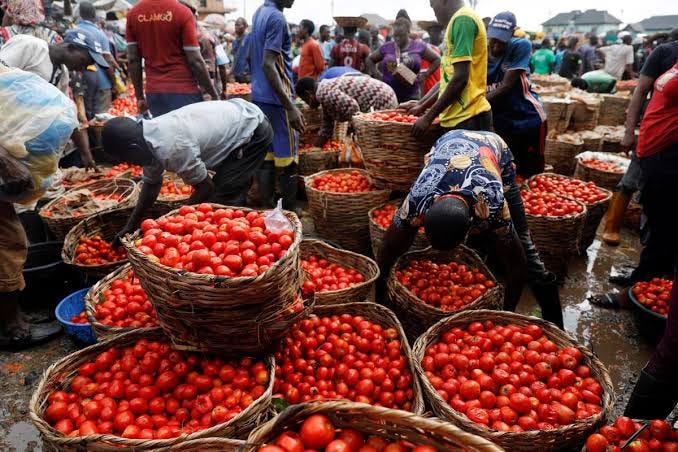
Nigeria’s food inflation rose to 20.31 percent in July from 17.52 percent in June, marking its sixth consecutive monthly increase, according to the National Bureau of Statistics. The rise was driven by higher prices of staples including rice, tomatoes, onions, garri, plantain, beef and eggs. The increase came despite headline inflation slowing to 15.43 percent from 15.91 percent in June. However, food inflation was significantly lower than the 26.20 percent recorded in July 2025.
Food price pressures varied widely across states. Adamawa recorded the highest annual food inflation at 51.36 percent, while Borno recorded a decline of 0.31 percent. On a monthly basis, Adamawa, Lagos and Borno posted the highest increases. The figures show that while overall inflation is easing, food costs remain a major pressure on Nigerian households, with significant regional differences.
For a family in Adamawa, the 51.36% food inflation means that the weekly food budget now buys significantly less than it did a year ago. For a minimum-wage earner in Lagos, the rising cost of staples like rice and tomatoes translates to fewer meals per week. The divergence between headline and food inflation is a reminder that the national average masks the reality on the ground. While the CBN may celebrate the slowing headline inflation, Nigerian households are still struggling with rising food prices.
This echoes the 2016 food inflation crisis, which also saw food prices outpace headline inflation. The mechanism then was different, but the result was the same: households squeezed by rising food costs.
The winners: farmers and food producers, who may benefit from higher prices. The losers: Nigerian households, particularly in states like Adamawa, who are struggling with rising food costs; and the Nigerian government, which faces pressure to address food insecurity.
Bottom Line: Food inflation is rising for the sixth month. The headline number is improving. The reality on the ground is not.