


The Federal Government, the Niger Basin Authority and German development partners held a two-day validation workshop in Abuja from 18 to 19 November on early warning systems for floods and low water levels in Lokoja and Yola. The study examined existing warning systems, institutional capacity, technical facilities and community preparedness. Angela Keyede, representing the Water Resources Minister, said recent flooding in Adamawa and Kogi showed the need to improve forecasting, preparedness, coordination and public communication.
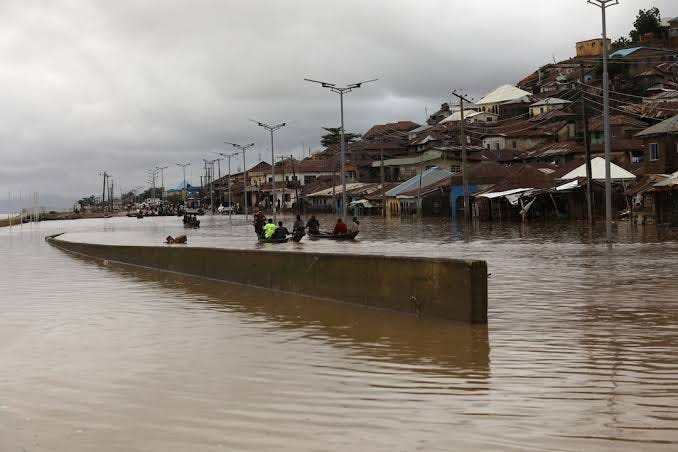
The mechanics of flood warning are not the same as flood prevention. A warning system tells people that water is coming. It does not build a levee, relocate a settlement or compensate a farmer whose field will be submerged. Nigeria has issued flood alerts for 29 states and 832 communities this year. The question is what happens after the alert. In Lokoja, the answer has historically been: not enough.
This echoes the 2012 and 2022 floods, each of which produced studies, workshops and communiques, and each of which was followed by another season of displacement. It also mirrors the broader pattern of Nigerian disaster policy treating early warning as the intervention rather than the precursor to one.
The winners are the consultants who wrote the diagnostic study and the agencies that can claim a validation workshop. The losers are the residents of Lokoja and Yola who will receive a warning and still lack a dry route out.
Bottom Line: A workshop validates a study. A budget line validates a policy.