


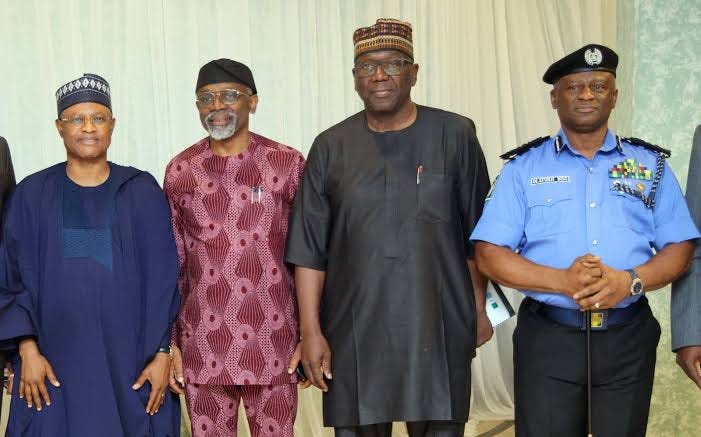
Femi Gbajabiamila has confirmed that the Presidential Working Group will transmit the draft National Policing Bill to the National Assembly. The Chief of Staff to the President disclosed this on Thursday. The bill will be sent within two weeks. It aims to restructure nationwide police operations.
Nigeria has debated state police for decades. The 1999 Constitution places policing under federal control. In 2014, the National Conference recommended state police. In 2018, the APC panel on restructuring endorsed it. In 2023, the National Assembly rejected a constitutional amendment to allow it. Governors across parties have called for decentralisation. The argument is that federal police cannot understand local terrain. The counter-argument is that governors will abuse state police for political ends.
Gbajabiamila said the bill is part of broader policing reforms. The Presidential Working Group has consulted stakeholders. The bill will address funding, oversight and accountability. It will restructure the Nigeria Police Force. It may create state police services. It may establish community policing frameworks. The National Assembly will debate the bill. It requires constitutional amendment. That process is long. It requires approval from two-thirds of state assemblies.
The bill follows demands for reform. The #EndSARS protests in 2020 exposed police brutality. The police have faced criticism over extrajudicial killings. The government says reform is necessary. Critics say the bill may not go far enough.
Winners: Reform advocates, who gain a platform. Governors, who gain influence. Communities, if policing improves. Losers: The federal police, which loses monopoly. Civil society, if safeguards are absent. Opposition parties in states, if governors weaponise state police. Taxpayers, if state police duplicate federal costs.
Bottom Line: The National Policing Bill is coming. It will restructure policing. The National Assembly must debate it. The states must approve it. Reform is necessary. Implementation is the test.