


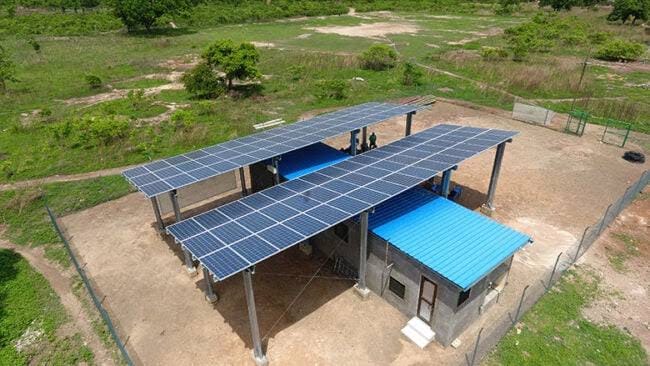
The Federal Ministry of Power unveiled plans to transition federal university campuses off the national grid by deploying dedicated hybrid solar energy micro-grids. The move is part of the government’s efforts to improve electricity supply and reduce the burden on the national grid.
The transition to solar micro-grids is a significant step towards energy independence for federal universities. The project will provide reliable power for teaching, research and administration. The success of the project will depend on the government’s ability to attract investment and manage the implementation effectively.
This echoes the 2015 net-metering framework introduced in Lagos, which also sought to encourage solar adoption. The mechanism then was different, but the result was the same: a government seeking to promote renewable energy.
The winners: federal universities, which will gain reliable power; and the Nigerian renewable energy sector, which benefits from increased demand. The losers: the national grid, which loses major customers; and the Nigerian government, which must ensure the project is delivered.
Bottom Line: Federal universities are going solar. The grid is losing customers. The question is whether the transition will be successful or just create new problems.