


The Federal Government is set to formally acknowledge the 1967 Asaba Massacre. The acknowledgement comes 59 years after hundreds of people were killed during the Nigerian Civil War. Delta State Governor Sheriff Oborevwori disclosed the plan. He said the Federal Government would make a reconciliation declaration. He described official acknowledgement as critical to healing. The state has already recognised the tragedy.
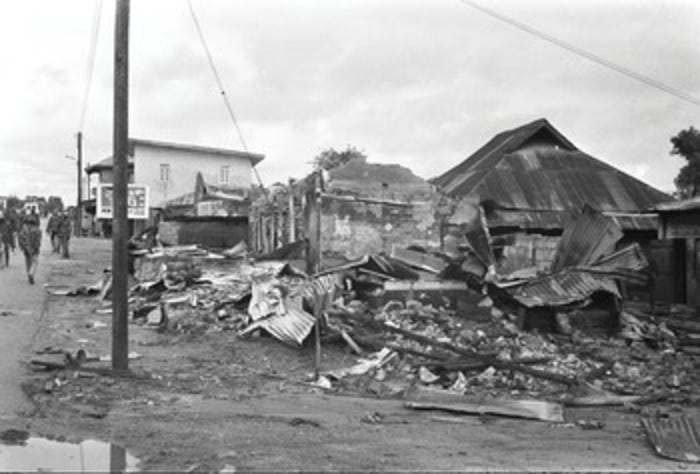
The Asaba Massacre occurred in October 1967. Federal troops entered Asaba in pursuit of Biafran forces. Hundreds of men and boys were rounded up and killed. Estimates range from 500 to over 1,000. The killings were part of a broader pattern of atrocities during the 30-month civil war. The war ended in 1970. Successive federal governments have not formally acknowledged the massacre. Delta State has recognised it. A memorial centre is planned to preserve victims’ names and testimonies.
Governor Oborevwori said the Federal Government would make a reconciliation declaration. The Asagba of Asaba, Prof Epiphany Azinge, said the community had forgiven but would not forget. He called for a public apology from a sitting Nigerian president before full closure could be achieved. Former President Olusegun Obasanjo described the massacre as one of the most painful episodes of the civil war. He urged Nigerians to embrace forgiveness. The state government said a proposed memorial centre would preserve victims’ names, testimonies and records for future generations.
The acknowledgement is significant. It is the first formal federal recognition of the massacre. It comes after decades of advocacy by Asaba indigenes and historians. The declaration is expected to include reconciliation elements. It may not include a formal apology. The community wants one. The government has not confirmed whether it will be issued.
Winners: The Asaba community, which gains recognition. Delta State, which advocated for acknowledgement. Historians, who gain official validation. The Federal Government, which shows willingness to confront the past. Losers: Victims’ families, if the apology is not issued. Those who deny the massacre. The federal government, if the declaration is seen as insufficient. Nigerians who want full accountability.
Bottom Line: The Federal Government will acknowledge the Asaba Massacre. Fifty-nine years later. Recognition matters. An apology matters more. The community has forgiven. It has not forgotten. The memorial centre will preserve the truth. The declaration is a step. It is not the end.