


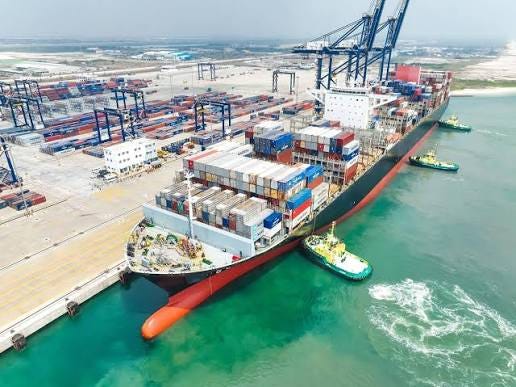
The Presidency has unveiled a new trade facilitation initiative aimed at reducing cargo clearance times at Nigerian seaports to a maximum of seven days. The strategy focuses on automating port operations, streamlining multi-agency cargo inspections and removing bureaucratic hurdles to lower shipping costs and improve Nigeria’s overall trade competitiveness.
Nigeria’s ports have long been plagued by inefficiency, with cargo clearance times often stretching to weeks or even months. The new initiative is an attempt to address that problem, reducing the cost of doing business and making Nigeria more competitive as a trading hub.
The seven-day target is ambitious. Nigerian ports have historically been among the slowest in the world, and achieving a seven-day clearance time will require significant investment in technology and infrastructure. The success of the initiative will depend on the government’s ability to coordinate multiple agencies and implement reforms.
This echoes the 2010s port reforms, which also sought to reduce clearance times. The mechanism then was different, but the result was the same: a government struggling to implement reforms in a complex sector.
The winners: Nigerian businesses, which will benefit from lower shipping costs; and the Nigerian economy, which gains from improved competitiveness. The losers: port officials and customs brokers, who may lose revenue from delays; and the Nigerian public, which must hope the reforms are implemented.
Bottom Line: The government wants cargo clearance down to seven days. The target is ambitious. The question is whether the bureaucracy will cooperate or resist.