


The Federal Ministry of Communications, Innovation and Digital Economy has revealed its funding needs. Nigeria has secured $800 million in sovereign financing from the World Bank and the African Development Bank. It is now seeking $1.2 billion in private investment. The funds will deploy the nationwide broadband backbone.
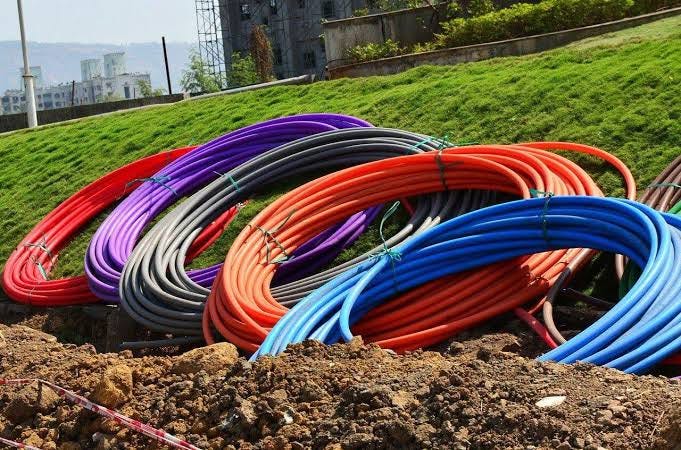
Nigeria’s broadband penetration is inadequate. About 47% of the population has access. The National Broadband Plan targets 70% by 2025. That target was missed. Fibre coverage is limited. Mobile networks carry most traffic. Fixed broadband subscriptions are growing but from a low base. The government launched a 90,000-kilometre fibre project. It aims to connect underserved areas. Funding is the constraint.
The $800 million in sovereign financing covers part of the project. The $1.2 billion shortfall requires private capital. The ministry is seeking investors. The model is a public-private partnership. The government provides guarantees and anchor demand. Private firms provide capital, technology and execution.
The project’s economic logic is strong. Broadband supports digital commerce. It enables remote work. It connects schools and hospitals. It attracts investment. Every 10% increase in broadband penetration adds about 1% to GDP in developing countries. Nigeria needs that growth.
The challenges are practical. Laying 90,000 kilometres of fibre requires coordination. Right-of-way permits are slow. States charge fees. Insecurity affects some routes. Contractors must navigate these obstacles. Private investors must see returns. The government must provide a stable regulatory environment.
The $1.2 billion target is ambitious. Private capital is cautious. Global venture funding has tightened. Investors want predictable returns. Nigeria’s infrastructure track record is mixed. The government must convince them.
Winners: Telecom operators, which gain backbone capacity. Consumers, who gain cheaper internet. Tech companies, which gain reach. The government, which gains visibility. Losers: Contractors who cannot deliver. States that obstruct permits. Incumbent operators, which face competition. Taxpayers, if the project is mismanaged.
Bottom Line: Nigeria needs $1.2 billion for broadband. It has $800 million. The gap requires private capital. Broadband transforms economies. Investors need confidence. The government must deliver it.