


Nigeria plans to end regulated pricing in the domestic gas market by 24 September 2028. The Nigerian Midstream and Downstream Petroleum Regulatory Authority (NMDPRA) is targeting a fully commercial market. Rabiu Umar, NMDPRA’s chief executive, disclosed this. He said the transition would depend on measurable conditions. Key indicators include gas supply, the number of buyers and sellers, transport infrastructure, contract strength, payment reliability and credible price signals.
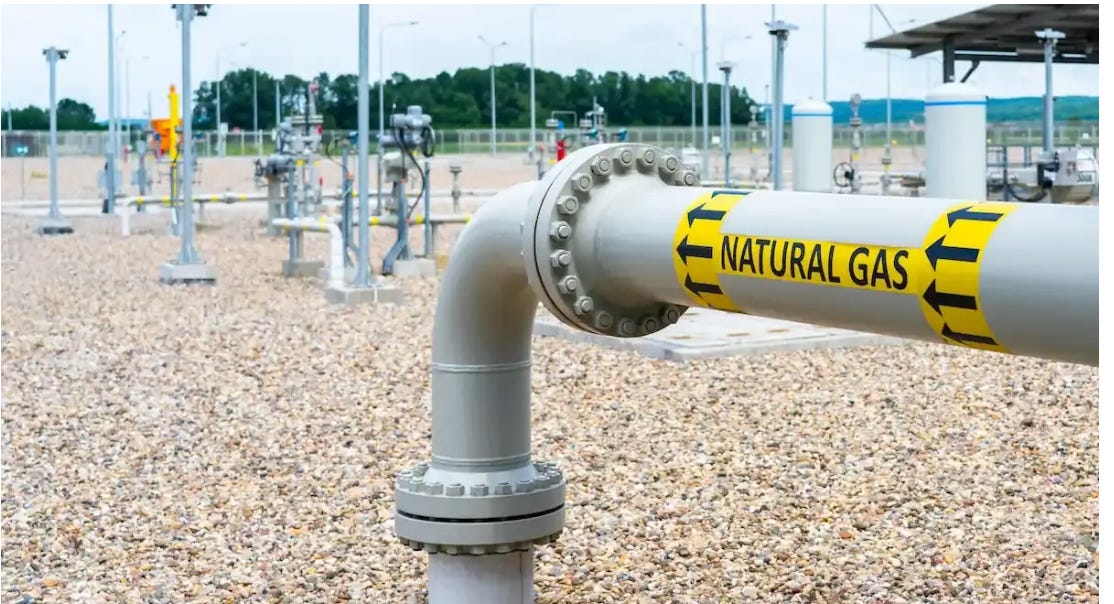
Nigeria has more gas than oil. Proven reserves exceed 200 trillion cubic feet. Yet the domestic gas market is underdeveloped. Prices are regulated. Infrastructure is inadequate. Supply is tight. The Decade of Gas programme was launched in 2021. It targets gas supply of 12.6 billion cubic feet per day by 2030. Progress has been slow. In 2023, the government announced plans to commercialise gas pricing. Implementation has been gradual. The 2028 target is ambitious. It requires infrastructure, investment and regulatory reform.
Umar said domestic gas supply remains tight. He warned that new infrastructure must have enough gas to operate. The regulator is working on rules against anti-competitive practices. It expects to issue gas distribution licences to qualified companies in the fourth quarter of 2026. The transition to commercial pricing will not happen overnight. It depends on conditions. If supply is insufficient, prices will rise. If infrastructure is inadequate, gas cannot reach buyers. The regulator must balance commercial incentives with consumer protection. Gas is used for power generation, industry and cooking. Price increases affect all three. The government must manage the social impact. The 2028 deadline is a target. It is not guaranteed.
Winners: Gas producers, who gain market pricing. Investors, who gain certainty. Industrial users, if supply improves. The NMDPRA, which shows reform. Losers: Consumers, if prices rise. Power plants, if gas costs increase. The government, if the transition fails. Taxpayers, if subsidies are needed.
Bottom Line: Nigeria plans to end regulated gas pricing by 2028. The conditions are clear. Supply, infrastructure and payment reliability must improve. The target is ambitious. Delivery is uncertain.