


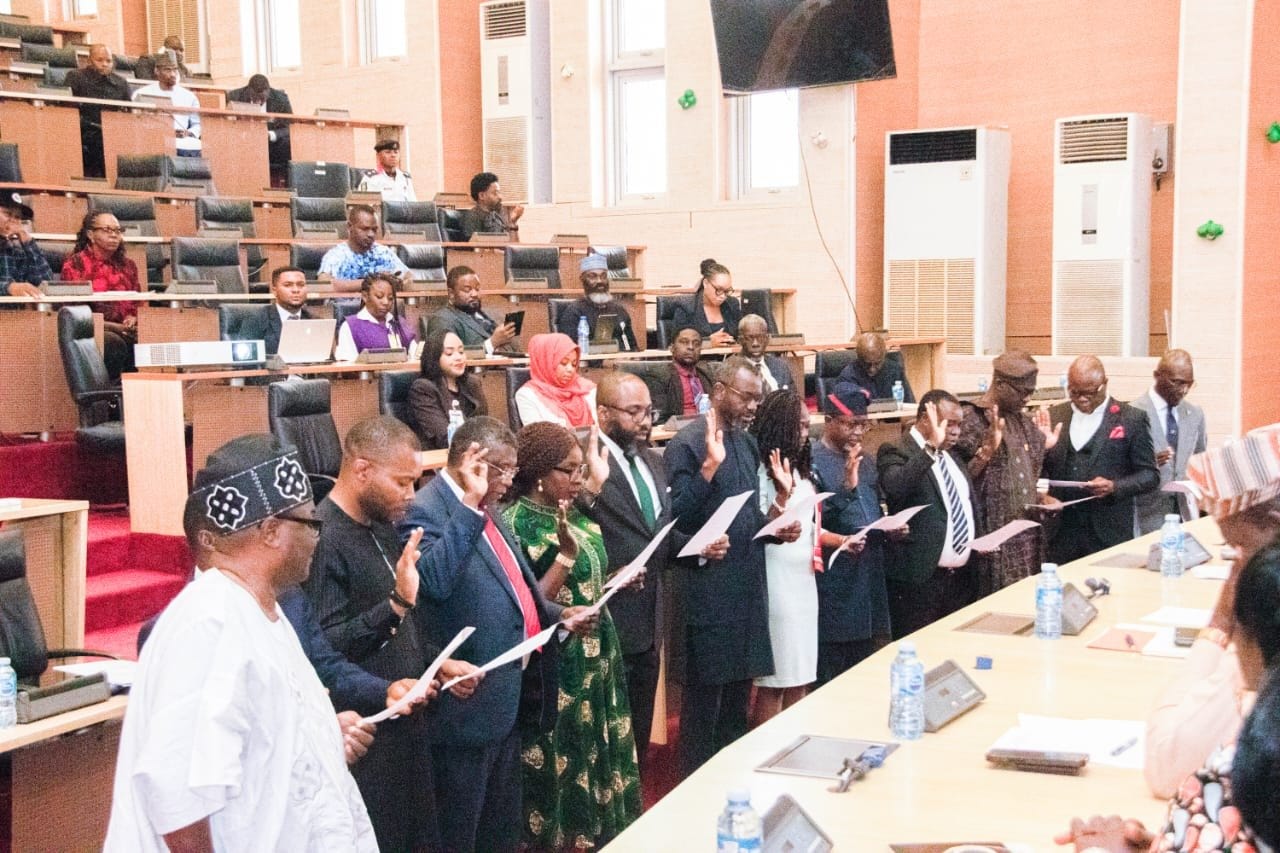
The Federal Government has inaugurated a Ministerial Advisory Committee to provide strategic guidance on Nigeria’s fiscal and macroeconomic reforms. The committee aims to translate recent policy changes into tangible economic benefits for businesses and households.
The committee is expected to bring together experts from the public and private sectors to advise the government on implementing its reform agenda. Nigeria has introduced several major economic reforms in recent years, including tax reform, subsidy removal and exchange rate unification. But translating those reforms into tangible benefits has been a challenge.
The committee’s work is expected to focus on translating policy changes into tangible benefits for businesses and households. The government has repeatedly argued that its reforms are necessary for long-term growth, but the public has yet to feel the benefits. The committee is an attempt to bridge that gap.
This echoes the 2010s establishment of economic advisory councils, which were also intended to guide government policy. The mechanism then was different, but the result was the same: well-intentioned advisory bodies that often failed to influence policy.
The winners: the government, which gains expert advice, and businesses, which may benefit from better policy implementation. The losers: the Nigerian public, which has heard similar promises before, and the committee members, who may find their recommendations ignored.
Bottom Line: A new committee has been set up to guide Nigeria’s economic reforms. The ambition is right. The question is whether the committee will have real influence or join the long list of advisory bodies whose reports gather dust.