


The Minister of Steel Development, Shuaibu Audu, has hosted German Original Equipment Manufacturers (OEMs) in Abuja. The meeting aimed to establish bilateral technology transfer agreements and domestic mineral processing equipment manufacturing.
Nigeria’s steel sector has struggled for decades. Ajaokuta Steel Company was conceived in the 1970s. It has never produced commercial steel. The sector relies on imports. Equipment comes from abroad. Technology is foreign. In 2023, the government prioritised steel development. In 2024, it signed agreements with investors. The German OEM engagement is part of that push.
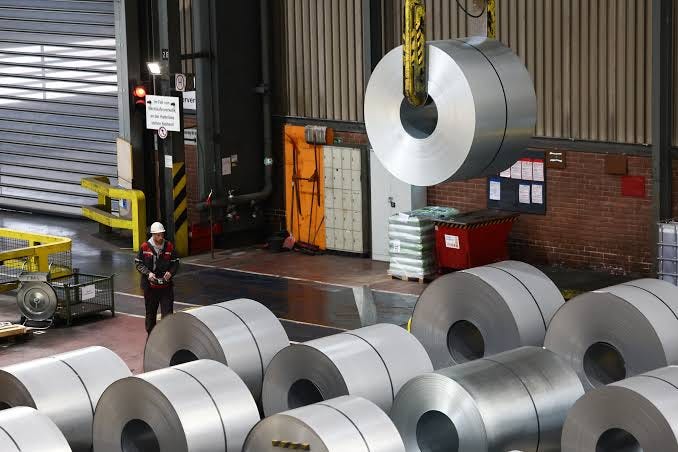
The German OEMs produce mining and processing equipment. They have expertise in engineering. The government wants them to manufacture in Nigeria. That would create jobs. It would reduce imports. It would transfer technology. The OEMs want market access. Nigeria is a large market. The deal would benefit both sides.
The meeting focused on agreements. No contracts were signed. The discussions are preliminary. The government wants domestic manufacturing. The OEMs want incentives. The terms must be negotiated.
The steel sector needs equipment. Mining companies need crushers, conveyors and processing plants. Importing them is expensive. Manufacturing locally reduces costs. It also builds local capacity. The government’s industrialisation agenda depends on it.
The challenges are familiar. Infrastructure is weak. Power is unreliable. Skills are scarce. The OEMs must navigate these. The government must provide enabling conditions. Policy stability is essential. Investors need certainty.
Winners: German OEMs, who gain market access. Nigerian mining companies, which gain equipment. Workers, who gain jobs. The government, which advances industrialisation. Losers: Importers of equipment, who lose business. Countries that supply Nigeria, which lose exports. The government, if the agreements fail. Taxpayers, if incentives are too generous.
Bottom Line: The FG hosted German OEMs. The goal is local equipment manufacturing. Technology transfer is key. Agreements are not contracts. Implementation is the test.