


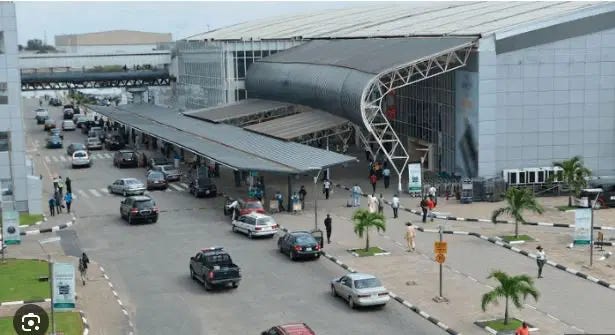
The Federal Government and Bi-Courtney Aviation Services Limited have ended their dispute over the Murtala Muhammed Airport Terminal Two concession. The dispute lasted more than 18 years. They signed a new agreement in Abuja on Tuesday. The Minister of Aviation and Aerospace Development, Festus Keyamo, signed for the government. Bi-Courtney Chairman Wale Babalakin signed for the company. The agreement is expected to resolve longstanding disagreements over the terminal.
The government awarded the MMA2 concession in 2003. Bi-Courtney built and operated the terminal under a build-operate-transfer arrangement. Disagreements began almost immediately. The government accused the company of failing to remit concession fees. The company accused the government of breaching the contract. The dispute went to court multiple times. It remained unresolved for 18 years. The terminal continued to operate throughout.
Keyamo said the agreement is a framework for both parties to fulfil their obligations through reciprocal concessions. President Bola Tinubu approved the final framework. It provides for both parties to waive historical claims. The Federal Airports Authority of Nigeria will begin receiving concession fees due under the original resolution. The settlement clarifies the General Aviation Terminal's ownership and operational status. The GAT is recognised as Federal Government property operated by FAAN.
Bi-Courtney is allowed to expand the apron at MMA2 and operate regional flights across Africa. That is subject to the terminal’s full operational capacity and compliance with regulatory requirements. The settlement's financial terms were not disclosed. The amount of concession fees payable to FAAN and the remittance schedule remain private. Keyamo said he considered it a privilege to lead the resolution. Babalakin commended Tinubu for facilitating the settlement. He said it would create jobs and encourage investors who might otherwise be discouraged by disputes with government agencies.
Winners: Bi-Courtney, which gains expansion rights. FAAN, which gains concession fees. The Federal Government, which ends a long dispute. Travellers, if the terminal expands. Investors, who gain confidence. Babalakin, who gains resolution. Losers: Lawyers who earned fees from the litigation. Critics who see the waiver as a giveaway. Taxpayers, if the undisclosed terms favour the company. Competing terminal operators, who face a stronger rival. The GAT, which remains under FAAN but is now clarified.
Bottom Line: Eighteen years of dispute ended with a signature. The terms are secret. The fees will flow. The apron will expand. Regional flights will follow. The government calls it a settlement. The company calls it a victory. Both sides waived claims. That is what compromise looks like. Nigeria’s aviation sector gained certainty. That is worth something.