


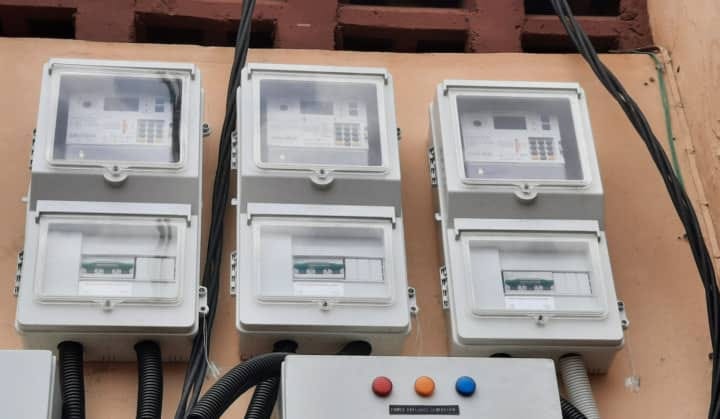
The Federal Government incurred ₦679.58 billion in electricity subsidy obligations in the first half of 2026. That is down 35.27% from ₦1.05 trillion in the same period of 2025. The Nigerian Electricity Regulatory Commission (NERC) disclosed the figures.
The electricity subsidy has grown for years. In 2024, the government spent over ₦2 trillion covering the gap between cost-reflective tariffs and what consumers pay. The subsidy supports the grid but drains the treasury. In 2025, the government began phasing out subsidies for Band A customers. The goal was to reduce the fiscal burden. The H1 2026 figures suggest the policy is working, at least on paper.
The subsidy obligation fell to ₦321.26 billion in Q2 from ₦358.32 billion in Q1. NERC attributed the decline mainly to a 3.40% reduction in electricity offtake by distribution companies (DisCos). Less power purchased means less subsidy owed.
Seven DisCos achieved 100% remittance to the Nigerian Bulk Electricity Trading company in Q2. They are Benin, Eko, Enugu, Ibadan, Ikeja, Port Harcourt and Yola. Kano, Jos and Kaduna recorded remittance rates below 70%. DisCos also remitted ₦78.82 billion, or 93.92%, of ₦83.92 billion invoiced by the market operator.
The mixed performance matters. Full remittance keeps the market liquid. Low remittance creates arrears. Those arrears cascade through the value chain. Generation companies go unpaid. Gas suppliers go unpaid. The grid becomes unstable. The subsidy covers the gap, but it does not fix the underlying problem. DisCos that do not collect enough from customers cannot remit enough to the market. Tariffs are below cost-reflective levels. The government absorbs the difference.
The policy direction is clear. The government wants to reduce subsidies. It wants cost-reflective tariffs. That requires DisCos to improve collection. It requires customers to pay more. Both are politically difficult. The subsidy decline is welcome. It does not mean the problem is solved.
Winners: The Federal Government, which reduces its fiscal burden. DisCos with full remittance, which gain credibility. The treasury, which retains more revenue. Losers: DisCos with low remittance, which face sanctions. Consumers, if tariffs rise. GenCos, if arrears persist. Taxpayers, if the subsidy returns.
Bottom Line: The electricity subsidy fell 35%. That is progress. Seven DisCos remit in full. Three do not. The market remains fragile. Subsidy reduction is not subsidy elimination. Tariffs must rise or costs must fall.