


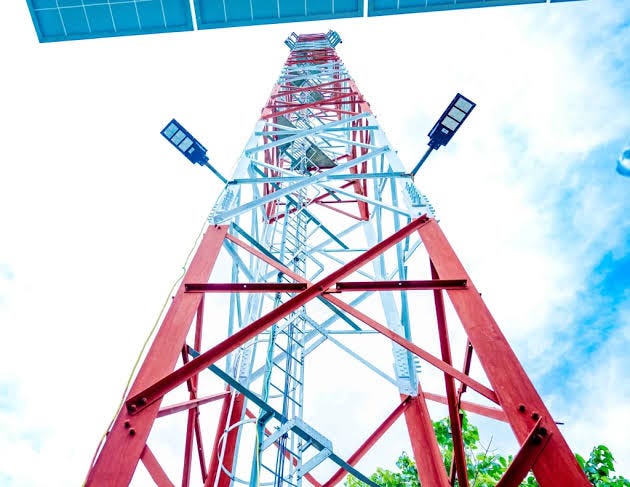
The Federal Ministry of Communications and Digital Economy has announced the deployment of 3,700 telecom towers. The towers target underserved rural corridors. They aim to bring mobile network access to nearly 20 million previously unconnected citizens. The ministry disclosed the plan this week.
Nigeria has over 200 million mobile subscriptions. Coverage is concentrated in urban areas. Rural communities remain unserved. The Universal Service Provision Fund was established in 2003 to bridge the gap. In 2023, the government launched Project BRIDGE, a 90,000km fibre backbone. The towers complement that effort. Connectivity supports digital inclusion.
The ministry said the towers will be deployed across rural corridors. They will cover health centres, schools and markets. The project will reduce the digital divide. It will support agriculture, education and e-commerce. The government said it will partner with telecom operators. The towers will be shared infrastructure. The timeline is not fully disclosed.
Winners: Rural communities, who gain connectivity. Telecom operators, who gain subscribers. The digital economy, which expands. The government, which shows delivery. Losers: Urban operators, who may face competition. Communities not included. The project, if it stalls. Taxpayers, if costs overrun.
Bottom Line: 3,700 towers. 20 million people. The plan is ambitious. Rural connectivity is essential. Execution is the test.