


The Federal Ministry of Communications, Innovation and Digital Economy has reduced the delivery timeline for its national fibre optic project. The $2 billion, 90,000-kilometre project will now be delivered in three years instead of five. The ministry announced the acceleration.
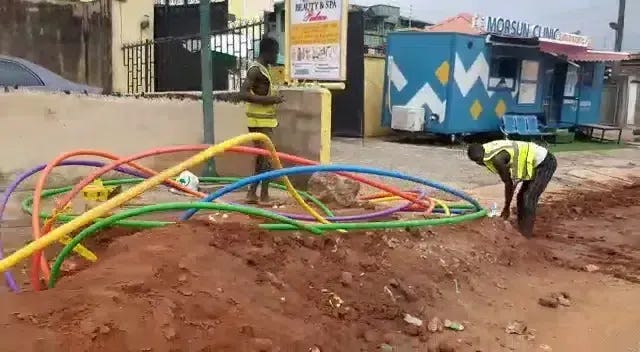
Nigeria’s fibre optic coverage is inadequate. The country has about 100,000 kilometres of fibre. It needs far more to support broadband penetration. In 2020, the government launched the National Broadband Plan. The target was 70% penetration by 2025. It was missed. In 2023, the ministry announced a 90,000-kilometre expansion. Funding was the challenge. The $2 billion project is a public-private partnership. The timeline reduction signals urgency.
The project aims to connect underserved areas. It will lay fibre along roads, railways and power lines. It will reach rural communities. The goal is to reduce the cost of internet access. Cheaper bandwidth supports digital inclusion. It also supports the digital economy.
The three-year timeline is ambitious. Laying 90,000 kilometres of fibre requires coordination. Right-of-way permits are slow. States charge fees. Contractors face insecurity in some regions. The ministry must manage these risks. The private partners must deliver.
The funding structure matters. The $2 billion includes public and private capital. The government provides guarantees and incentives. Private firms provide expertise and execution. The model has worked in other countries. It has failed in Nigeria before. Previous infrastructure projects stalled due to payment delays and political interference.
The project’s success would transform Nigeria’s digital landscape. Reliable internet supports education, healthcare and commerce. It creates jobs. It attracts investment. The three-year timeline is a promise. Delivery is the test.
Winners: Telecom operators, which gain backbone capacity. Consumers, who gain cheaper internet. Tech companies, which gain reach. The government, which gains visibility. Losers: Contractors who cannot deliver. States that obstruct permits. Incumbent operators, which face new competition. Taxpayers, if the project is mismanaged.
Bottom Line: The government cut the fibre timeline from five years to three. The target is ambitious. Nigeria needs the infrastructure. The private partners must deliver. Timelines are promises. Fibre is reality.