


The Federal Government is seeking Polish investment in 65 projects valued at $78.5 billion, as it intensifies efforts to attract foreign capital into infrastructure, manufacturing, energy and other productive sectors.
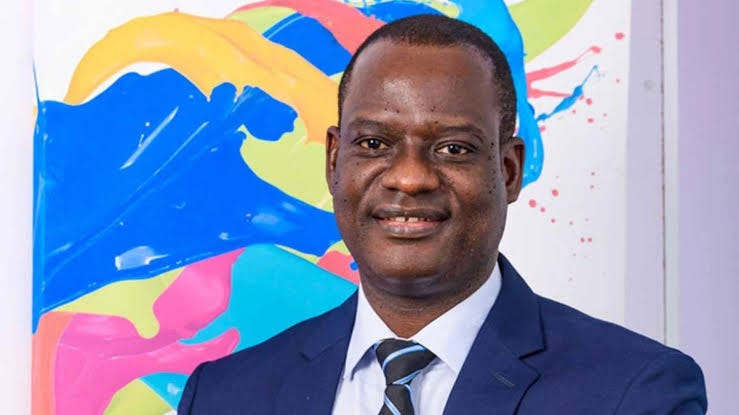
Finance Minister Taiwo Oyedele presented the investment opportunities on Tuesday, November 24, at the Second Polish-Nigerian Economic Forum in Lagos. He urged Polish businesses to move beyond diplomatic discussions and commit capital and technical expertise to projects that could expand local production and create jobs.
The projects, assembled through the government’s Projects Nigeria investment platform, have undergone feasibility studies and are expected to attract private investors. Their implementation could generate approximately 366,763 jobs across the country.
The portfolio covers five broad investment areas, including infrastructure, power, agriculture, manufacturing and technology. The government is particularly interested in partnerships that establish factories, improve transport infrastructure, strengthen domestic production and transfer technical knowledge.
Oyedele said Nigeria wanted to move away from exporting raw materials towards partnerships that support local processing and higher-value exports.
But the proposed investment drive comes against the background of relatively limited trade between Nigeria and Poland.
TRADE RELATIONS STILL CENTRED ON CRUDE OIL
According to figures presented by the finance minister, bilateral trade between both countries stood at approximately $734 million in 2025.
Poland exported about $169 million worth of goods to Nigeria, while Nigerian exports to Poland reached approximately $565 million. More than 90% of Nigeria’s exports consisted of crude oil.
The government wants to change that pattern by expanding trade in processed agricultural products, fertilisers, sesame, industrial machinery, technology and services.
Oyedele encouraged Nigerian businesses to export finished products while using Polish engineering expertise and industrial equipment to strengthen domestic manufacturing.
He also pointed to Poland’s economic transformation as an example of what sustained reforms and industrial development can achieve. The country’s economy grew from approximately $67 billion in 1989 to more than $1 trillion in 2025.
POLAND’S FINANCING INTEREST
The minister also highlighted the Lagos Port Complex modernisation at Apapa and Tin Can Island as an example of cooperation between both countries.
The approximately $1 billion project has support from UK Export Finance, while Poland’s export credit agency, KUKE, is reinsuring almost half of the financing.
Oyedele said KUKE was also ready to explore up to $2 billion in financing support for strategic projects in Nigeria. However, the proposed financing is not an approved or disbursed investment commitment.
He cautioned that foreign financing must be affordable and supported by sound project economics. He particularly warned against borrowing in foreign currencies for projects that generate revenue in naira.
The government also proposed closer cooperation between the two countries’ finance ministries and discussions involving KUKE, Poland’s development bank BGK, the Bank of Industry and the Nigerian Export-Import Bank.
The potential beneficiaries include manufacturers, farmers, construction companies, technology businesses and job seekers. However, Nigerian taxpayers and public finances could face risks if projects depend on expensive borrowing without generating sufficient economic returns.
The bigger challenge is converting investment presentations into actual financial commitments. Nigeria has repeatedly announced ambitious investment pipelines, but feasibility studies alone do not guarantee that investors will provide funding or that projects will reach completion.
Bottom Line: Nigeria has presented Poland with a $78.5 billion investment opportunity, but the projected 366,763 jobs remain conditional on actual financing and implementation. The real measure of success will be factories opened, infrastructure delivered and Nigerians employed.